
Elephants Use Complex Signals To Strengthen Their Social Bonds

Advanced Communication Methods
Elephants are known for their remarkable ability to communicate using a variety of vocalizations, ranging from trumpets to low-frequency rumbles. These sounds can travel long distances, allowing elephants to stay connected even when separated by vast spaces. The complexity of their vocalizations reflects their social nature, as they rely on these signals to convey messages about food sources, dangers, and social interactions.
Body Language and Social Interaction
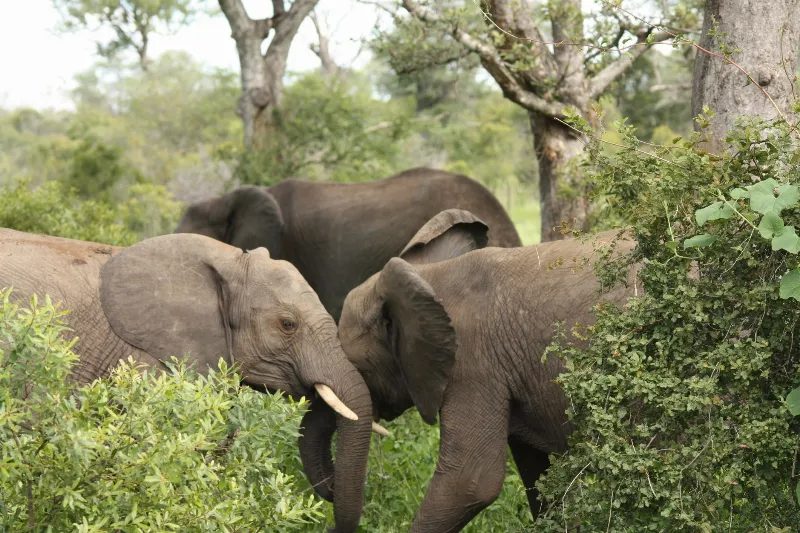
In addition to vocal sounds, elephants employ a rich repertoire of body language. Gestures such as trunk movements, ear flapping, and even physical touch play critical roles in their interactions. For instance, a gentle touch with the trunk can convey reassurance and strengthen social bonds among herd members. These non-verbal cues are essential for elephants to express emotions like affection and empathy, further solidifying their complex social structures.
Impact on Herd Dynamics
The ability to communicate effectively enhances the cohesion of elephant herds. By sharing information about their environment and emotional states, elephants foster a supportive atmosphere that is crucial for the survival of the group. This interconnectedness not only aids in managing resources but also helps in nurturing younger elephants, ensuring that vital social skills and knowledge are passed down through generations.
Ultimately, the intricate communication systems of elephants highlight their intelligence and the importance of social bonds within their communities. As these majestic animals navigate their lives, their ability to connect with one another through sound and body language remains a fascinating aspect of their behavior.
Hungry for more?
Explore thousands of insights across all categories.
