
Cult Influences Shaping Historical Narratives
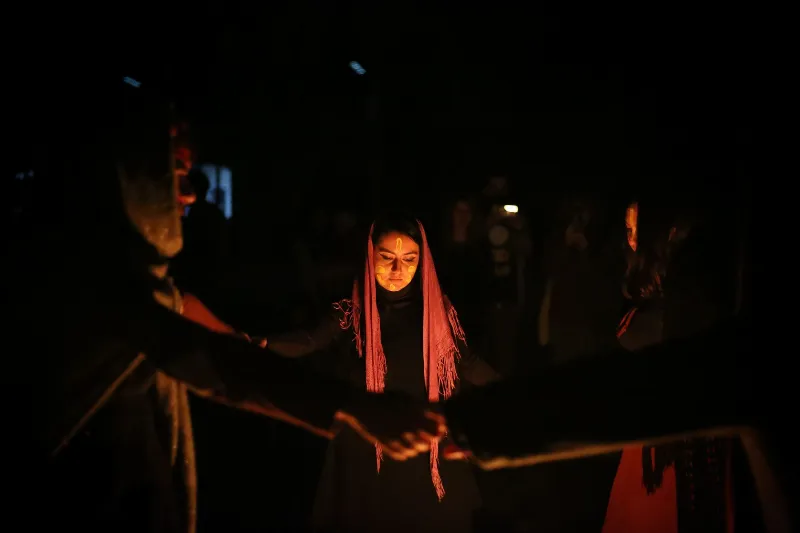

Understanding Cult Dynamics
Cults have often been viewed as fringe groups, yet their impact on history is far from peripheral. These organizations can manipulate beliefs and behaviors, often leading followers to adopt radical ideologies. Historical records indicate that cults have played pivotal roles in shaping social movements, religious practices, and political landscapes.
Historical Case Studies
Several historical events illustrate the profound influence of cults:
- In the 1970s, the People's Temple led by Jim Jones culminated in a tragic mass suicide, highlighting the potential for harm when cult dynamics go unchecked.
- The rise of the Manson Family in the late 1960s demonstrated how charismatic leaders could incite violence and reshape societal perceptions of counterculture.
- The Branch Davidians' standoff in Waco, Texas, in 1993 serves as a stark reminder of the tensions between cults and government authorities.
Each case reveals how cults not only impact their immediate members but can also ripple through society, altering public perception and policy responses.
Societal Reflections
Cults often mirror societal fears and desires, reflecting broader cultural currents. Their emergence can signal underlying discontent within communities, prompting individuals to seek alternative belief systems. Understanding the influence of cults is crucial for recognizing how they can both challenge and reinforce societal norms.
Conclusion
As society continues to evolve, the study of cults remains relevant in comprehending the complex interplay between belief systems and historical narratives. Cults not only shape individual lives but also affect collective consciousness, making their study essential for understanding historical and contemporary social dynamics.
Hungry for more?
Explore thousands of insights across all categories.
