
Genetic Anomalies Reveal Insights into Ancient Civilizations
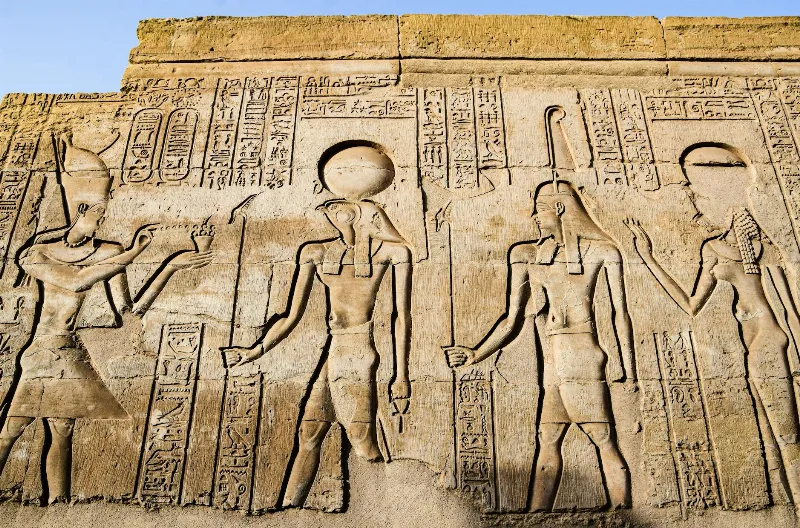

Understanding Genetic Anomalies
Genetic anomalies, or variations in DNA sequences that deviate from the norm, have long fascinated scientists. These anomalies can manifest in various ways, influencing physical traits, susceptibility to diseases, and even cognitive abilities. Recent studies have begun exploring how these genetic variations might have played a role in shaping early human societies. By examining ancient DNA, researchers are uncovering unexpected links between these anomalies and the characteristics of ancient civilizations.
The Intersection of Genetics and Civilization
Ancient civilizations such as the Egyptians, Mayans, and Mesopotamians left behind a wealth of artifacts, but the genetic legacy they carried is equally telling. Research indicates that certain genetic traits prevalent in these societies may have contributed to their adaptability and resilience. For instance, variations in genes related to metabolism could explain how these cultures thrived in diverse environmental conditions.
Furthermore, genetic studies reveal connections between population migrations and the spread of specific genetic markers. This suggests that as ancient peoples moved and mixed, they exchanged not only cultural practices but also genetic traits that influenced societal development. The following points highlight key findings in this area:
- Genetic markers associated with agricultural practices may have enhanced food security in ancient societies.
- Traits linked to resilience against diseases could have been advantageous in densely populated areas.
- Variations in genes related to physical strength or endurance may have influenced social hierarchies.
Implications for Historical Narratives
The implications of linking genetic anomalies with ancient civilizations extend beyond academic curiosity. By integrating genetic data with archaeological findings, historians can construct more nuanced narratives about how societies evolved. This interdisciplinary approach not only enriches our understanding of the past but also challenges long-held assumptions about human development and migration patterns.
As studies continue to unveil the intricate relationship between genetics and history, they invite us to reconsider the stories we tell about our ancestors. The exploration of genetic anomalies not only illuminates the complexities of ancient societies but also reminds us that our understanding of human history is still evolving.
Hungry for more?
Explore thousands of insights across all categories.
