
Common misconceptions about how trees communicate and share resources
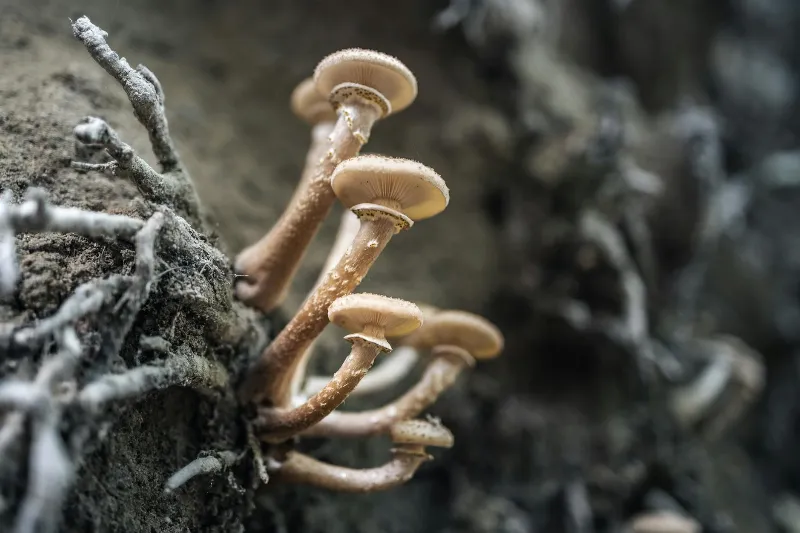
Fungi and Root Networks: Trees' Hidden Allies
Trees communicate through a complex underground network known as the "wood wide web." This system is primarily composed of mycorrhizal fungi, which connect the roots of different trees. Through these fungal networks, trees can exchange nutrients and information. For instance, a tree that is experiencing drought stress can send warning signals to neighboring trees, prompting them to conserve water. This collaboration challenges the notion that trees are solely in competition for resources.
Altruism in the Forest
It's fascinating to consider that trees often engage in altruistic behavior. Research shows that older trees, or "mother trees," can provide resources to younger saplings in their vicinity. They do this by transferring sugars and other nutrients through the fungal networks, helping younger trees survive. This behavior illustrates a level of social interaction that is often overlooked in the natural world.
Additionally, trees can also communicate distress signals. When under attack from pests or diseases, they can release volatile organic compounds (VOCs) into the air. These chemicals can alert nearby trees to activate their own defenses. This process underscores the idea that forest ecosystems are interconnected and that trees are more than just individual entities.
Implications for Forest Management
Understanding how trees communicate and collaborate has significant implications for forest management and conservation efforts. Recognizing the importance of maintaining healthy fungal networks can improve the resilience of forests against climate change and pests. This knowledge encourages practices that foster tree diversity and ecosystem health, promoting a thriving forest environment.
As we continue to explore the complexities of tree communication, it becomes clear that these living organisms engage in a sophisticated interplay of cooperation and competition. The more we learn, the more we realize that forests are vibrant communities, not just collections of individual trees.
Hungry for more?
Explore thousands of insights across all categories.