
Common Misconceptions About Ancient Civilizations' Environmental Understanding

Ancient Awareness of Nature
Contrary to popular belief, ancient civilizations were not merely primitive societies disconnected from their environment. They developed intricate systems of knowledge that enabled them to thrive in diverse ecosystems. For instance, the Maya utilized advanced astronomical observations to create agricultural calendars, allowing them to optimize crop yields based on seasonal changes.
Ecological Practices and Sustainability
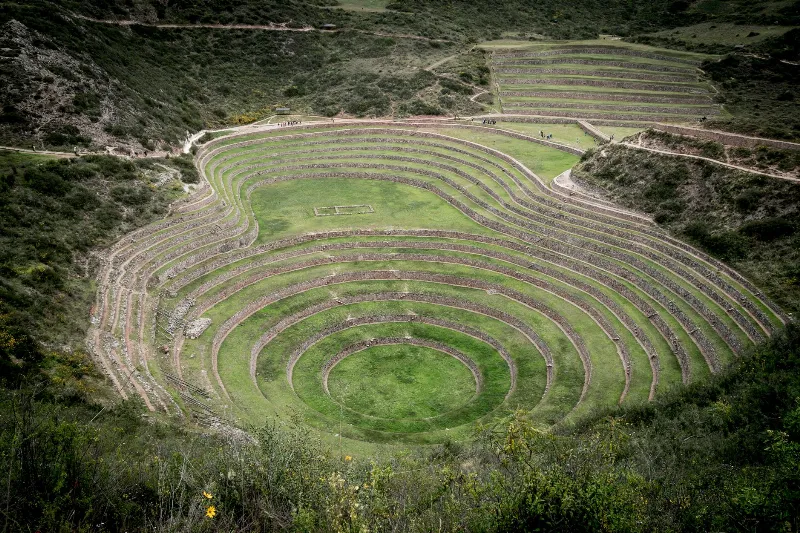
Many ancient cultures practiced sustainable resource management long before modern environmentalism emerged. The Inca civilization, for example, implemented terrace farming to conserve soil and water in the Andes Mountains. This method not only enhanced agricultural productivity but also minimized erosion, showcasing their deep understanding of ecological balance.
Furthermore, various indigenous peoples across the globe cultivated a profound spiritual connection with nature. This connection fostered respect and ethical stewardship of their environments, leading to practices that promoted biodiversity and resilience.
Complex Knowledge Systems
Moreover, ancient societies often had extensive knowledge of local flora and fauna. The Greeks, for instance, recorded detailed observations of plant species and their medicinal properties in texts like Dioscorides' De Materia Medica. Such works laid the foundation for future botanical and medical studies.
Implications for Modern Understanding
This nuanced understanding of ancient civilizations reveals that they were not only survivors but also keen observers of their environment. Their methods and insights can inform contemporary approaches to sustainability and ecological conservation. Recognizing their wisdom challenges the notion that modern society holds a monopoly on environmental knowledge.
Ultimately, re-examining these misconceptions opens up a dialogue about how we can learn from the past to shape a sustainable future.
Hungry for more?
Explore thousands of insights across all categories.
