
Common Misconception About How Our Brains Store Memories
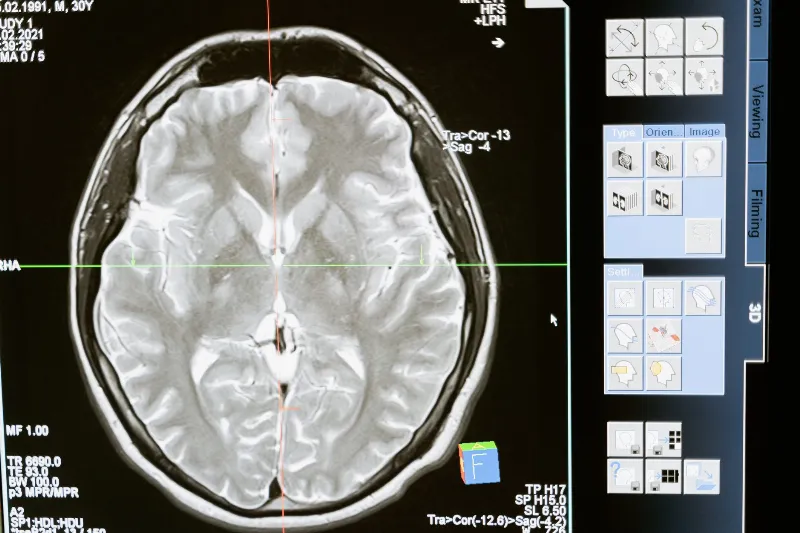

Memories Are Not Recorded
Many believe that memories are stored in our brains like video recordings, fully intact and retrievable at any moment. However, research in neuroscience suggests that this isn’t the case. When we recall a memory, our brains do not play back a perfect replay; instead, they reconstruct the memory from various pieces of information stored throughout the brain. This process can lead to altered or fragmented recollections.
The Reconstruction Process
This reconstruction occurs each time we think about a memory, influenced by our emotions, current context, and new experiences. For instance, a simple memory of a childhood event may be colored by feelings we have now, which can change how we remember that event. This is why eyewitness accounts can be unreliable; the act of recalling can inadvertently introduce inaccuracies.
Implications for Understanding Memory
This understanding of memory as a reconstructive rather than a recording process has significant implications for fields like psychology and law. It raises questions about memories' reliability and how they can be influenced by suggestion or misinformation. Our memories are not static; they are dynamic and flexible, which can be both a gift and a curse.
Memory and Identity
Furthermore, this reconstructive nature of memory plays a crucial role in shaping our identities. Our sense of self is built on memories, which are continually reshaped by our experiences and reflections. This fluidity can help us adapt and grow, allowing for personal evolution over time. Embracing this idea can lead to a more profound understanding of how we relate to our past.
Ultimately, recognizing that our memories are not fixed artifacts but living narratives invites us to explore the rich, complex tapestry of human experience.
Hungry for more?
Explore thousands of insights across all categories.
