
Common Misconceptions About How Emotions Are Processed In The Brain

Emotional Processing Is Not Isolated
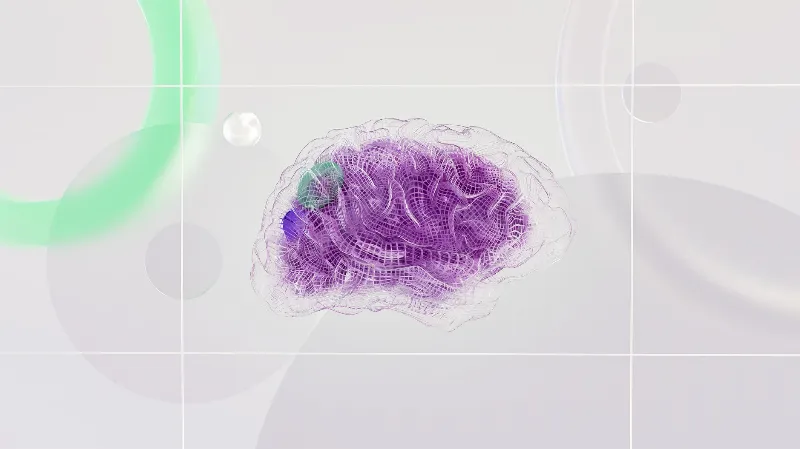
Many people assume emotions are processed in distinct regions of the brain, leading to the notion that we can compartmentalize feelings. However, recent research indicates that emotional processing involves a network of brain areas working in concert. For instance, the amygdala, responsible for processing fear, interacts closely with the prefrontal cortex, which plays a role in decision-making and social behavior.
Interconnected Networks
This interconnectedness explains why emotional responses can be complex and context-dependent. When faced with a stressful situation, various brain regions activate simultaneously, influencing how we react. For example, the interaction between the amygdala and the insula can heighten our awareness of physical sensations, making anxiety feel more intense. This synergy reveals that our emotional experiences are shaped not just by isolated brain functions but by the dynamic interplay of multiple systems.
Moreover, this networked approach to understanding emotions highlights the brain's capacity for plasticity, suggesting that emotional responses can evolve through experience and learning. This adaptability is crucial for personal growth and emotional resilience.
In summary, recognizing the complex networks involved in emotional processing invites a deeper appreciation for the human experience. It underscores the idea that our feelings are a product of multiple influences rather than isolated events, reshaping how we understand ourselves and our interactions with others.
Hungry for more?
Explore thousands of insights across all categories.
