
Common Misconception About How Ancient Cultures Interpreted Animal Behavior

Ancient Insights on Animal Behavior
Ancient cultures often get stereotyped as having a solely mystical or superstitious view of animals. However, archaeological evidence and historical texts suggest a more sophisticated understanding. For instance, many societies relied on keen observations of animal behavior to improve hunting techniques, enhance agricultural practices, and understand seasonal changes.
Practical Applications of Animal Knowledge
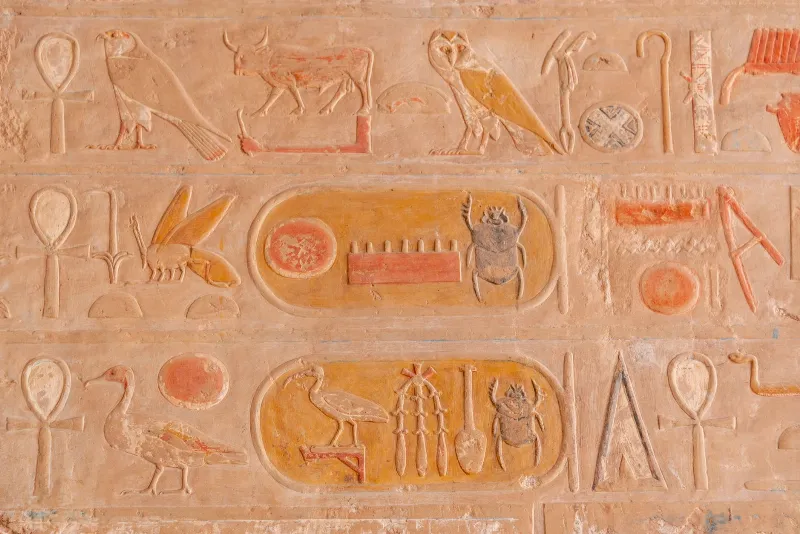
Take the ancient Egyptians, who meticulously documented the behavior of various animals in hieroglyphs. Their depictions weren’t just artistic; they often provided insights into animal habits, migration patterns, and breeding cycles, which were critical for managing resources. Similarly, the Inuit people have long understood the habits of caribou and seals, which directly influenced their survival.
This practical knowledge extended beyond mere observation. Many cultures developed complex relationships with animals, recognizing their roles not just as resources but as integral members of their ecosystems. For example, the domestication of dogs in various ancient societies shows a recognition of animal intelligence and social behavior that was essential for cooperative living.
Understanding these dynamics illustrates that ancient people were not just passive observers of nature but active participants in a web of life where each species played a role. This nuanced view of animal behavior reflects a deep-rooted respect for nature that is often overlooked in contemporary interpretations of ancient belief systems.
In exploring these ancient perspectives, it becomes clear that the relationship between humans and animals has always been complex and multifaceted. Rather than being mere symbols or omens, animals were seen as companions and teachers, shaping human culture and survival.
Hungry for more?
Explore thousands of insights across all categories.
