
Climate Change's Impact On Pollinator Behavior Challenges Ecosystem Rules

Understanding Pollinator Behavior
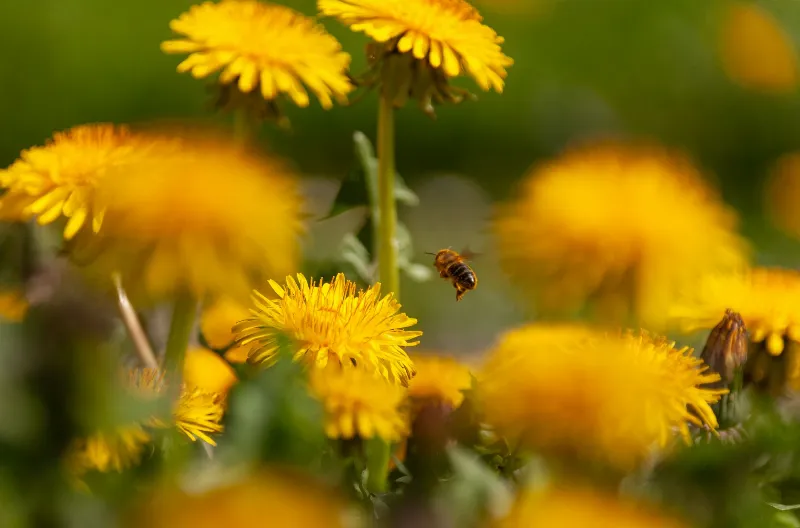
Pollinators, such as bees, butterflies, and birds, play a crucial role in the reproduction of many plants. Their activities are essential for the production of fruits, vegetables, and nuts that contribute to global food security. However, recent studies show that climate change is significantly altering the behavior of these vital species, which in turn affects the broader ecosystem.
Climate Change Effects on Pollinators
As temperatures rise and weather patterns shift, pollinators are experiencing changes in their habitats and food availability. For instance, some species are emerging earlier in the spring than they did a few decades ago, while others are migrating to new areas in search of suitable conditions. These behavioral changes can result in mismatches between the timing of pollinator activity and the flowering periods of plants, disrupting established ecological relationships.
Implications for Ecosystem Interactions
The alterations in pollinator behavior challenge our understanding of ecosystem interactions. The decline or shift in pollinator populations can lead to reduced plant reproduction, affecting everything from agricultural yields to natural ecosystems. This disruption necessitates a reevaluation of conservation strategies and agricultural practices to ensure that both pollinator and plant species can adapt to the changing climate.
Furthermore, the interdependence of species within ecosystems highlights the need for integrated approaches to address the challenges posed by climate change. Protecting pollinator habitats and ensuring diverse plant communities are essential for maintaining ecological balance.
Future Research Directions
As scientists continue to study the effects of climate change on pollinator behavior, there is an increasing need for interdisciplinary research that combines ecology, agriculture, and climate science. Understanding these dynamics will be crucial for developing effective conservation strategies and promoting resilience in ecosystems.
Recognizing the intricate relationships within ecosystems emphasizes the importance of addressing climate change urgently. The future health of our environment depends on how well we adapt to these changes and protect the species that sustain it.
Hungry for more?
Explore thousands of insights across all categories.
