
Bats Navigate Their World Using Echolocation Skills
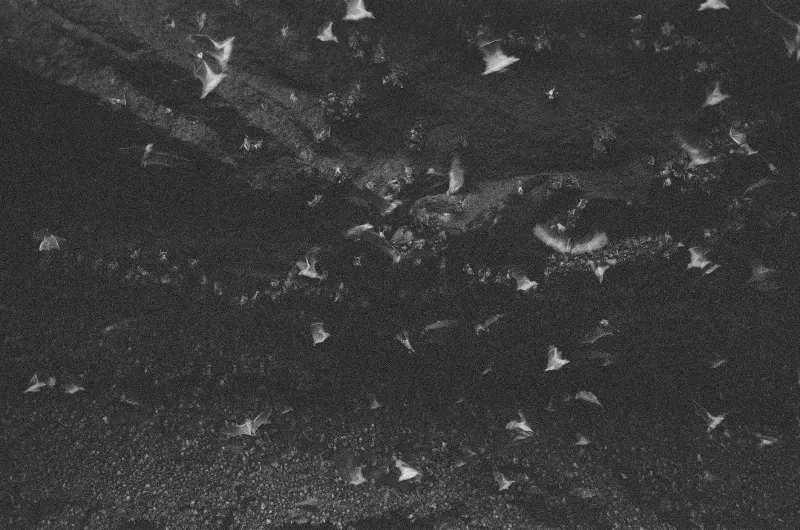

Echolocation: Nature's Sonar
Echolocation is a fascinating adaptation found in certain species of bats, allowing them to navigate through dark environments where vision is limited. By emitting high-frequency sounds, typically above the range of human hearing, they create sound waves that bounce off surrounding objects. When these echoes return, bats analyze the timing and frequency of the sounds to construct a mental map of their surroundings. This process enables them to identify obstacles, prey, and potential threats.
How Bats Use Echolocation
Bats' ability to echolocate is not only impressive but also highly refined. Here are three key aspects of how they utilize this skill:
- Frequency Variation: Different bat species use various frequencies depending on their environment. Higher frequencies provide more detailed information but travel shorter distances, making them ideal for navigating through dense foliage.
- Sound Emission: Bats produce echolocation calls using their mouth or nose. The specific method varies between species and can affect the clarity of the emitted sound.
- Echo Interpretation: When sound waves hit an object, they return as echoes. Bats interpret these echoes to determine the size, shape, and distance of the object, which is crucial for hunting and avoiding obstacles.
This echolocation capability highlights how some mammals have evolved unique adaptations to thrive in specific habitats. Bats demonstrate that even in complete darkness, nature provides the tools necessary for survival, showcasing the intricate balance of ecosystems.
Hungry for more?
Explore thousands of insights across all categories.
