
Animals Navigate Using Landmarks From Miles Away
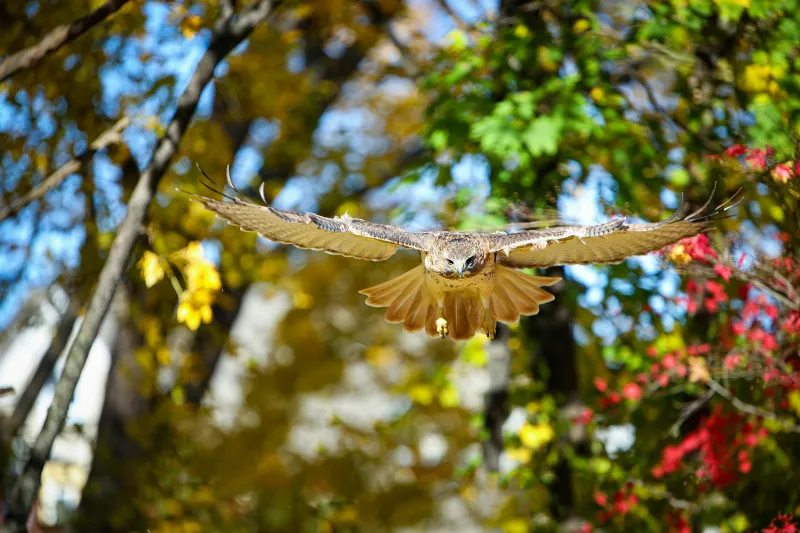

Some animals possess an incredible ability to recognize landmarks from great distances, allowing them to navigate vast terrains with precision. This remarkable skill is not just due to keen eyesight but involves complex cognitive processes and environmental cues.
Visual Acuity and Landmark Recognition
Many species, including birds and marine mammals, utilize their sharp vision to identify landmarks from significant distances. For instance, raptors such as hawks can spot prey from over a mile away, using specific terrain features as reference points. Their extraordinary eyesight is complemented by their cognitive mapping abilities, which allow them to create mental images of their surroundings.
Homing Pigeons and Navigational Skills
Homing pigeons are famous for their exceptional navigation skills, which include recognizing landmarks from considerable heights. They can recall specific locations and use them as guides during their flights. Studies suggest that these birds also utilize the Earth's magnetic field in conjunction with visual landmarks to find their way home over long distances.
- Some animals use celestial navigation by referencing the sun or stars.
- Others rely on scents and sounds from their environment to enhance their navigational capabilities.
- Many species can adapt their navigation strategies based on environmental changes.
Understanding how animals recognize landmarks from great distances opens up fascinating insights into their behavior and adaptations. This knowledge not only enriches our appreciation for wildlife but also has implications for conservation efforts and understanding ecological interactions.
Hungry for more?
Explore thousands of insights across all categories.
