
Your Brain Loves Predictable Patterns

The Fascination with Patterns
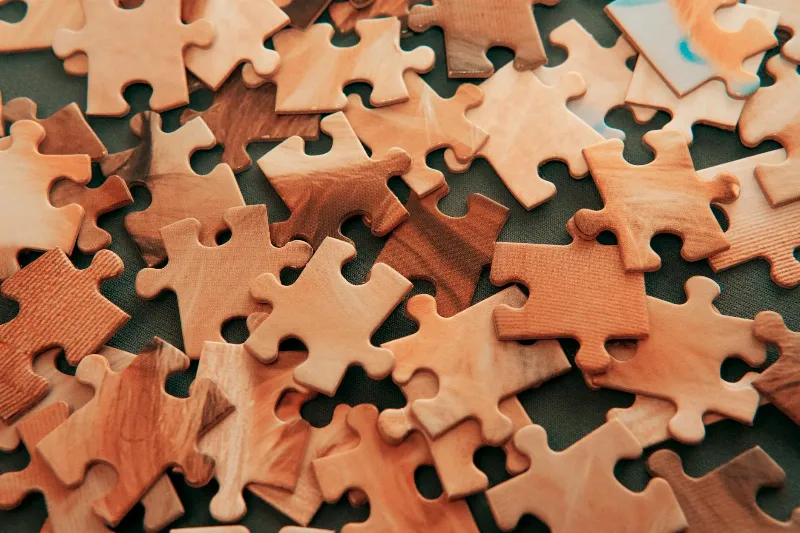
Humans are inherently drawn to patterns. This attraction is not merely a quirk; it is rooted deep within our cognitive processes. Our brains work tirelessly to identify and predict patterns, a skill that has been crucial for survival throughout evolution. Recognizing patterns allows us to make sense of the world, leading us to anticipate events and react accordingly.
Neuroscience Behind Pattern Recognition
Research indicates that the brain's ability to detect patterns is facilitated by specific neural pathways. These pathways become more efficient with repetition, allowing for quicker recognition and response. This phenomenon explains why we often find comfort in routines and familiar environments. Studies show that predictable patterns stimulate the brain's reward system, releasing dopamine and creating feelings of pleasure. This response can be observed in various contexts, from music to art, where recurring motifs evoke emotional reactions.
Applications in Everyday Life
The preference for predictable patterns is evident in numerous aspects of life. For instance, in marketing, brands frequently use consistent themes and colors to foster recognition and loyalty among consumers. Similarly, in education, structured learning environments enable students to grasp complex concepts more easily. Understanding this cognitive tendency can enhance effectiveness in various fields, from teaching to product design.
Conclusion: The Power of Patterns
Embracing the brain's affinity for patterns can lead to improved decision-making and emotional well-being. By acknowledging how deeply ingrained this characteristic is, individuals can leverage it to enhance personal and professional experiences. As we continue to explore the intricacies of the brain, the significance of predictable patterns remains a fascinating area of study.
Hungry for more?
Explore thousands of insights across all categories.
