
Your Brain Can Create False Memories
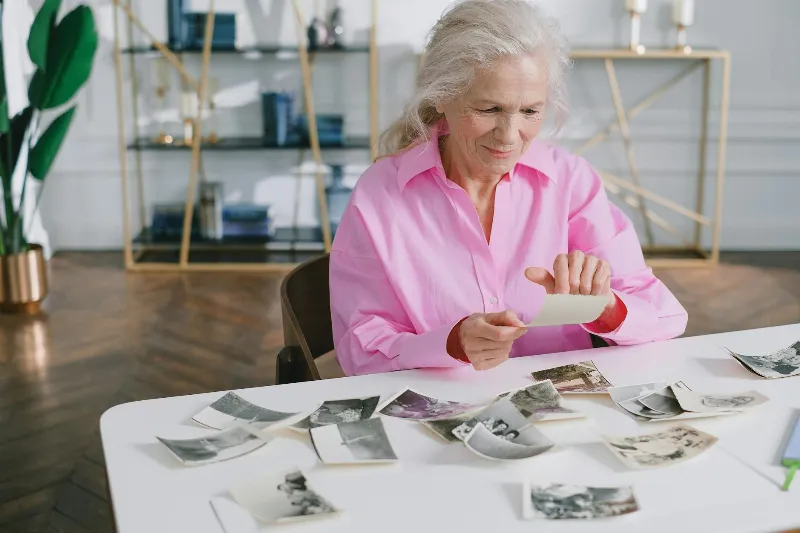

The Nature of False Memories
False memories are fascinating phenomena where our brains generate recollections that feel real but are distorted or fabricated. These memories can arise from various sources, including suggestions from others, misinformation, or even our own imaginings. The brain's ability to reconstruct memories makes it susceptible to inaccuracies, leading to a blend of real and imagined experiences.
The Mechanisms Behind Memory Creation
When we recall an event, our brains do not simply replay memories like a video. Instead, they reconstruct them, often integrating new information and emotions into the recollection process. This reconstruction can lead to the creation of false memories. For instance, if someone hears a story that includes elements related to their past, their brain might incorporate those details, leading them to believe they experienced it firsthand.
Implications of False Memories
The existence of false memories carries significant implications, especially in legal settings where eyewitness testimonies can be unreliable. Research has shown that individuals can confidently recall events that never occurred, raising concerns about the accuracy of memory-based evidence. Understanding how false memories are formed can help mitigate their impact and improve our comprehension of human cognition.
Research and Evidence
Studies on false memories have revealed the complex interplay between memory and perception. For example, research published in reputable journals highlights how leading questions can alter a person's recollection of an event. Neuroscientific investigations have also shown that specific brain areas are activated during memory recall, further underscoring the intricacies of memory formation. Ongoing research continues to explore the boundaries of memory accuracy and the factors influencing our recollections.
Hungry for more?
Explore thousands of insights across all categories.
