
What Most People Get Wrong About Human Creativity Capacity

Creativity Defined
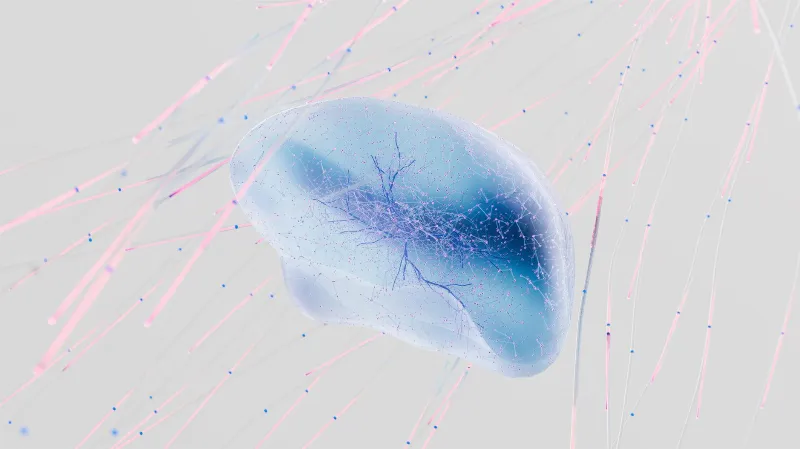
Creativity isn't just a trait of the artistic; it's a fundamental aspect of human cognition. Many believe that creativity originates from a specific area in the brain, often focusing on the right hemisphere. However, neuroscience has illuminated a more complex picture, suggesting that creativity arises from the interplay of multiple brain regions, not a singular 'creative zone'.
Neural Networks Fueling Creativity
Recent studies using brain imaging techniques have shown that creativity involves a network of regions across both hemispheres. This network includes areas responsible for memory, attention, and emotional regulation. When these areas communicate effectively, they can generate novel ideas and solutions. This collaborative approach explains why diverse experiences often enhance creativity , they provide a richer tapestry from which to draw upon.
Moreover, the default mode network, which is active during daydreaming and mind-wandering, plays a crucial role. It allows the brain to make unexpected connections, a key element in creative thought. So, rather than being confined to a specific part of the brain, creativity thrives on the dynamic interactions within this neural network.
Implications for Understanding Creativity
This shift in understanding has profound implications for education and workplace innovation. By recognizing that creativity is a multifaceted process, educators and employers can foster environments that enhance collaboration and idea-sharing. Activities that encourage cross-disciplinary interactions can stimulate creative thinking more effectively than traditional methods.
Furthermore, this understanding invites a re-evaluation of what it means to be creative. It suggests that nurturing creativity doesn't just rely on innate talent; instead, it can be cultivated through diverse experiences and collaborative efforts.
Hungry for more?
Explore thousands of insights across all categories.
