
What Is Photosynthesis
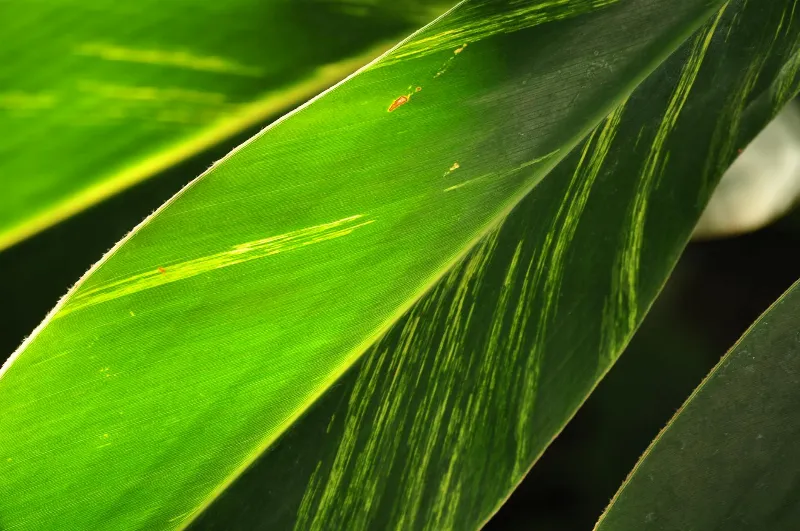

Understanding photosynthesis
Photosynthesis is the process by which green plants, algae, and some bacteria convert light energy from the sun into chemical energy. This transformation occurs primarily in the chloroplasts of plant cells, where chlorophyll, the green pigment, captures sunlight. Through a series of complex reactions, plants synthesize glucose from carbon dioxide and water, releasing oxygen as a byproduct.
How photosynthesis operates
During photosynthesis, light energy is absorbed and then used to convert carbon dioxide from the air and water absorbed by the roots into glucose. The overall chemical reaction can be summarized as:
- 6 CO2 + 6 H2O + light energy → C6H12O6 + 6 O2
This process occurs in two main stages: the light-dependent reactions and the light-independent reactions, or the Calvin cycle. In the light-dependent reactions, sunlight is converted into chemical energy in the form of ATP and NADPH, while the Calvin cycle uses these energy carriers to produce glucose.
Originating over 3 billion years ago, photosynthesis has evolved significantly. Early forms of photosynthesis did not produce oxygen, but with the advent of cyanobacteria, oxygen began to accumulate in the Earth's atmosphere, paving the way for aerobic life.
Significance of photosynthesis
The implications of photosynthesis extend far beyond the survival of plants. It forms the foundation of food chains globally, supporting herbivores and, by extension, carnivores. Moreover, the oxygen produced is essential for the respiration of most living organisms. Without photosynthesis, life as we know it would cease to exist.
Photosynthesis also plays a critical role in regulating atmospheric carbon dioxide levels, acting as a natural counterbalance to anthropogenic emissions. This bioconversion process is increasingly relevant in discussions about climate change, as enhancing photosynthetic efficiency could contribute to carbon capture strategies.
Ultimately, photosynthesis illustrates the intricate connections within ecosystems and the dependence of various life forms on plant life. Its persistence through evolutionary history highlights the fundamental role it plays in sustaining life on Earth.
Hungry for more?
Explore thousands of insights across all categories.
