
What Is Generative AI And How Can It Create Visual Art
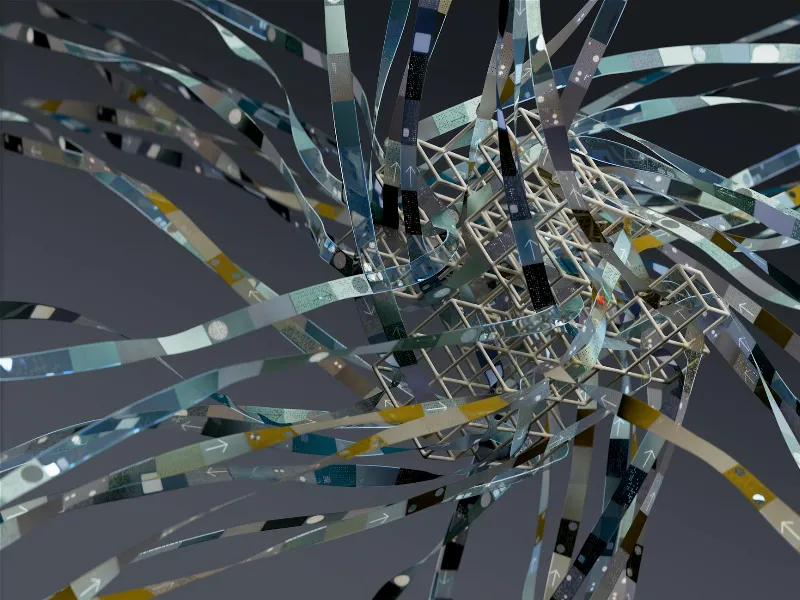

Generative AI's Impact on Visual Art
Generative AI is not just a buzzword; it represents a pivotal evolution in the art world. By leveraging algorithms, this technology can produce original artworks that challenge the boundaries of traditional creativity. For instance, artists can input parameters or themes, and the AI generates unique pieces based on those inputs. This process opens up a dialogue between human creativity and machine learning, where each artwork can reflect a fusion of artistic intent and computational logic.
Applications in Contemporary Art
Many artists and technologists are exploring generative AI's potential to create visual art. Here are some practical applications:
- Interactive installations that respond to audience input.
- Digital canvases that evolve based on real-time data.
- Collaboration between human artists and AI systems, producing works that neither could create alone.
These applications not only expand the toolkit available to creators but also invite audiences to engage with art in novel ways, prompting them to consider the role of technology in the creative process.
Ethical Considerations
As generative AI continues to grow in popularity, it raises important ethical questions. Issues like copyright ownership, the authenticity of AI-generated pieces, and the potential for bias in training datasets need careful consideration. Artists and technologists must navigate these challenges to ensure that the integration of AI in art remains respectful of human creativity and cultural contexts.
Generative AI is an exciting frontier in the visual arts, merging technology with creativity. It poses unique challenges and opportunities that can redefine how we understand and create art in the digital age. As it evolves, so too will our perceptions of authorship and originality in the artistic landscape.
Hungry for more?
Explore thousands of insights across all categories.
