
What Is ChatGPT And How Can It Be Used In Customer Support

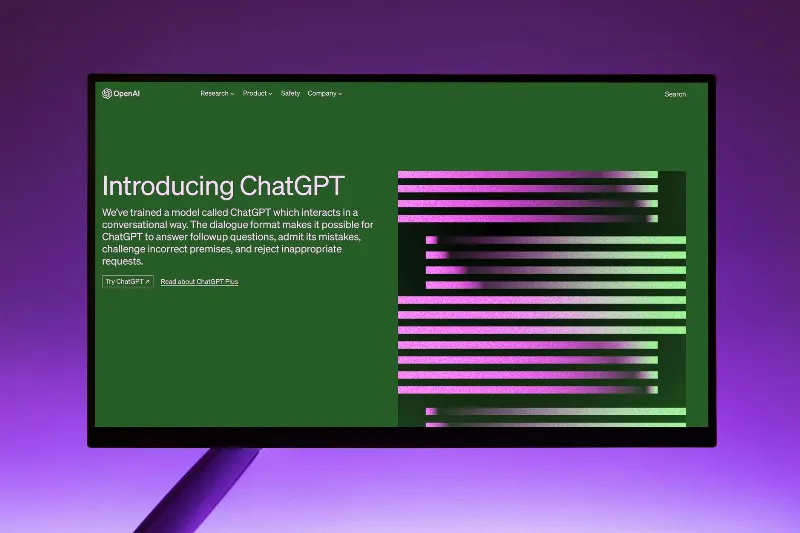

ChatGPT's Impact on Customer Interactions
In a world where speed and efficiency define customer satisfaction, ChatGPT stands out as a powerful tool. It facilitates real-time conversations, allowing businesses to respond to customer inquiries instantly. By analyzing vast amounts of data, ChatGPT can provide accurate information, troubleshoot problems, and guide users through processes without human intervention. This capability not only saves time for both customers and support teams but also enhances the overall experience by providing immediate assistance.
Applications in Various Industries
Different sectors are already harnessing ChatGPT's potential to improve customer support. Here are a few notable applications:
- Retail: ChatGPT can handle product inquiries, assist in order tracking, and process returns, making the shopping experience seamless.
- Healthcare: Patients can receive answers to common health questions, appointment reminders, and guidance on medication management.
- Finance: Users can access account information, get updates on transactions, and inquire about financial products through AI-driven interactions.
These examples show how versatile ChatGPT can be, adapting to the unique needs of various industries.
Enhancing Service Quality
One of the significant benefits of implementing ChatGPT in customer support is the consistent quality of service. Unlike human agents, AI doesn’t experience fatigue, ensuring that customers receive accurate and prompt responses at any time of day. Moreover, ChatGPT can learn from interactions, continually improving its responses and understanding of customer needs.
Balancing Human Touch with Automation
While ChatGPT excels in efficiency, it's essential to find a balance between automation and human interaction. Complex issues often require empathy and nuanced understanding that AI may not fully replicate. Therefore, integrating ChatGPT with human agents can create a hybrid model that maximizes efficiency while maintaining a personal touch.
Using ChatGPT in customer support reflects a shift towards more automated, yet responsive service models. As businesses increasingly embrace this technology, the potential for enhanced customer satisfaction grows, setting new standards in service delivery.
Hungry for more?
Explore thousands of insights across all categories.
