
What Is Automation and How Can It Be Used in Smart Manufacturing
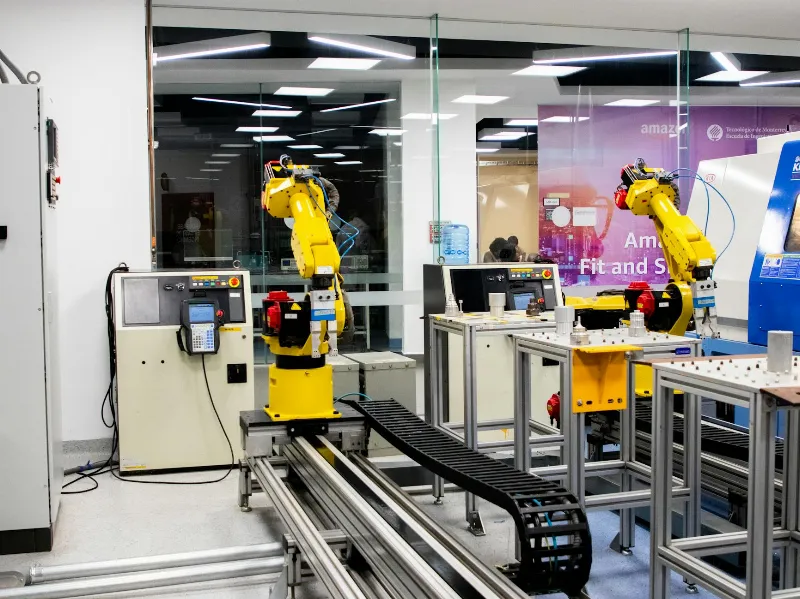

Understanding Automation in Smart Manufacturing
Automation in smart manufacturing refers to the use of technology to control production processes with minimal human intervention. This includes the integration of machines, sensors, and software to manage tasks efficiently. Factories can now operate around the clock, producing goods with speed and precision, thanks to automated systems. These systems can perform repetitive tasks, monitor equipment health, and optimize resource usage, significantly enhancing operational efficiency.
Applications of Automation in Manufacturing
Automation has various applications in smart manufacturing, including:
- Robotic Process Automation: Robots can handle tasks such as assembly, welding, and painting, reducing the need for manual labor and increasing production speed.
- Predictive Maintenance: Automated systems monitor machinery in real-time, predicting failures before they occur, thus minimizing downtime.
- Supply Chain Management: Automation helps streamline inventory management and logistics, ensuring timely delivery of materials and products.
These applications illustrate how automation not only boosts productivity but also contributes to a safer working environment by taking over hazardous tasks.
Implications of Automation
The shift towards automation in smart manufacturing raises several implications. On one hand, it leads to increased efficiency, reduced costs, and improved product quality. On the other hand, it poses challenges such as workforce displacement and the need for new skill sets. As companies adopt automated technologies, they must also consider training employees to work alongside these systems, ensuring a smooth transition and maximizing the benefits of automation.
A Balanced Perspective on Automation
While automation is a powerful tool for enhancing manufacturing processes, it is essential to approach its implementation thoughtfully. Companies should weigh the benefits against potential drawbacks, keeping in mind the social and economic impacts on their workforce. As industries evolve, striking a balance between technological advancement and human employment will be crucial for sustainable growth.
Hungry for more?
Explore thousands of insights across all categories.
