
What Common Misconception Exists About Human Wound Healing
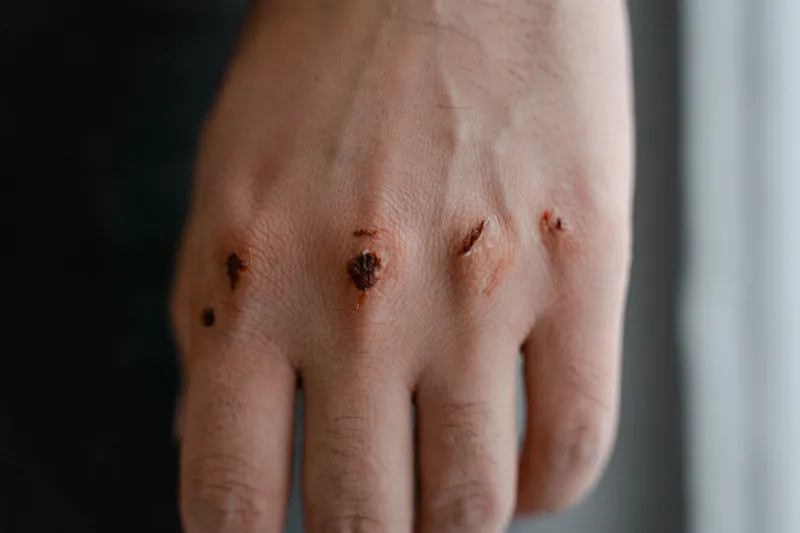

Skin doesn't simply heal from the outside in; it involves a remarkable orchestration of bodily processes that work in tandem to repair damage. One widespread misconception is that the visible skin layers are the primary focus during healing, overshadowing the significant internal activities that take place.
When a wound occurs, various cells, including platelets and white blood cells, rush to the site. Platelets form a clot to stop bleeding, while white blood cells clean the area of debris and bacteria. This initial response is crucial, setting the stage for what follows.
Following this, fibroblasts, a type of connective tissue cell, play a pivotal role in producing collagen. Collagen is essential for providing structure and strength to the healing tissue. Interestingly, this process starts even before the outer layer of skin visibly closes, indicating that healing is a layered process that prioritizes internal restoration.
As healing continues, new blood vessels form in a process known as angiogenesis, ensuring that the area receives adequate nutrients and oxygen. This phase, known as proliferation, can take days to weeks, depending on the wound's severity. Thus, the notion that healing is a quick, surface-level process significantly oversimplifies the reality.
Moreover, the healing process can be influenced by numerous factors, including nutrition, age, and underlying health conditions. For instance, individuals with diabetes often experience delayed healing due to poor blood circulation and immune response. These complexities highlight the importance of understanding wound healing as a dynamic and multifaceted biological response.
Ultimately, recognizing the intricate processes at play can reshape how we view wounds and their healing. It underscores the body's resilience and adaptability, revealing an extraordinary capacity for recovery that goes beyond mere skin closure.
Hungry for more?
Explore thousands of insights across all categories.
