
What Common Misconception Exists About How Our Bodies Handle Bacteria
Understanding Our Microbiome
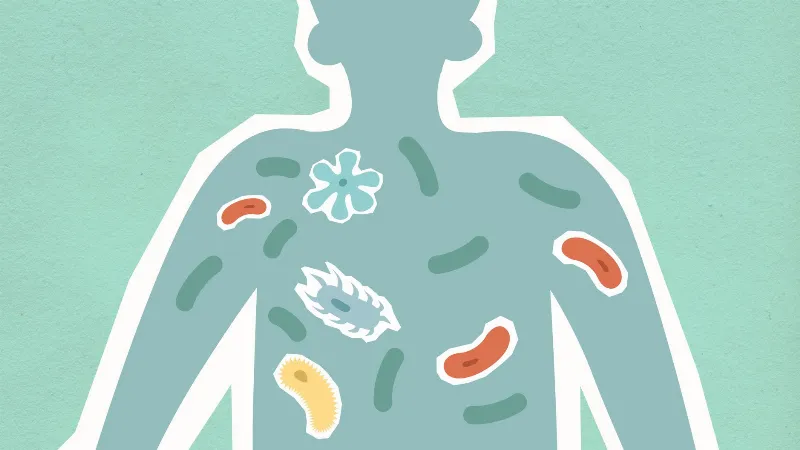
Humans host trillions of bacteria, forming a complex ecosystem known as the microbiome. Contrary to popular belief, not all bacteria are harmful. In fact, a significant portion of these microorganisms are beneficial, aiding in digestion, synthesizing vitamins, and even regulating our immune system. This intricate balance between beneficial and harmful bacteria is essential for overall health.
The Role of Good Bacteria
Good bacteria, such as Lactobacillus and Bifidobacterium, play a crucial role in breaking down food and absorbing nutrients. They also help to outcompete harmful bacteria, thereby preventing infections and maintaining gut health. This symbiotic relationship illustrates that our bodies are not merely hostile environments for bacteria but rather nurturing habitats for many microorganisms that contribute to our well-being.
Misconceptions About Bacteria
Despite the essential roles that many bacteria play, misconceptions persist. Many people view all bacteria as pathogens, leading to an overuse of antibiotics and sanitizers, which can disrupt the natural balance of the microbiome. This disruption can lead to various health issues, including allergies, obesity, and even autoimmune diseases, highlighting the need for a more nuanced understanding of our microbial companions.
Implications for Health
The interplay between our bodies and bacteria has profound implications for health. Recognizing the importance of nurturing beneficial bacteria through diet and lifestyle choices can lead to better health outcomes. Foods rich in probiotics, such as yogurt and fermented products, can help maintain a healthy microbiome and support our immune system.
This understanding of bacteria challenges the traditional view and emphasizes the need for a balanced perspective on our relationship with these microscopic organisms. As research evolves, it continues to reveal the remarkable ways in which bacteria shape our health and environment.
Hungry for more?
Explore thousands of insights across all categories.