
What Common Belief Miscounts Adult Human Bones
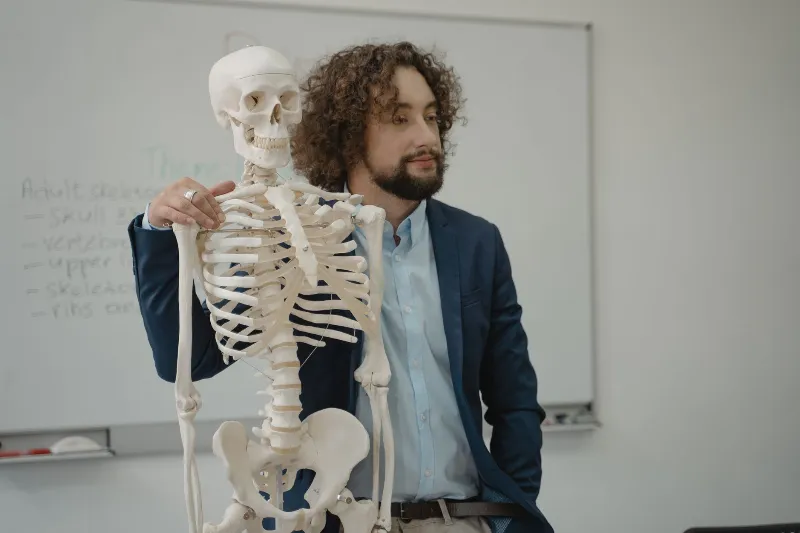

Understanding Bone Count in Adults
Common belief states that adults possess 206 bones, a figure that has persisted through generations. However, this number can be more nuanced due to various factors, including individual anatomical differences and the presence of certain conditions. This apparent simplicity masks a more complex reality beneath.
Variability in Bone Structure
As individuals age, certain bones can fuse together, particularly in the skull and spine, leading to a reduction in the total count. For instance, infants are born with approximately 270 bones, which gradually fuse as they grow. By adulthood, the fusion of these bones contributes to the widely accepted figure of 206.
Additionally, some people may have extra bones, known as accessory bones, which can arise due to genetic variations or other factors. These anomalies can affect overall bone count and highlight the diversity of human anatomy.
Interesting Insights
- Infants have more bones than adults due to flexible cartilage that later hardens into bone.
- Some individuals can have additional rib bones or other variations that add to their total.
- Bone density and health can also vary among individuals, impacting how bones are perceived.
This variability serves as a reminder of the complexity within human anatomy. What may seem like a simple count becomes a reflection of developmental changes and genetic diversity. Understanding these nuances enhances our appreciation of the human body and its intricate design.
As we delve into the world of bones, it becomes clear that numbers can tell a much richer story than they initially suggest.
Hungry for more?
Explore thousands of insights across all categories.
