
Unexplained patterns in AI-generated art reveal hidden cultural biases
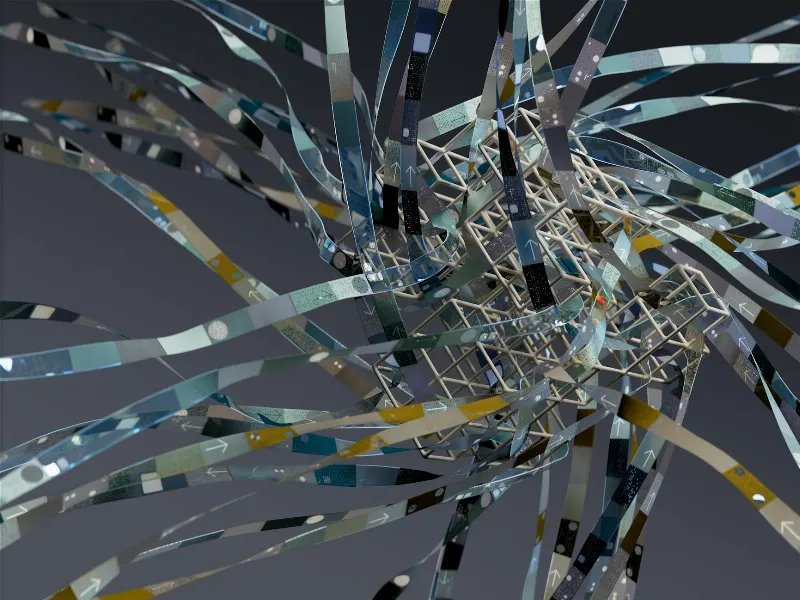
Patterns of Bias in AI Art Generation
AI-generated art is an astonishing realm where algorithms create visuals that mimic human creativity. However, a troubling aspect lurks beneath the surface: inherent cultural biases embedded in these creations.
Understanding the Algorithms
At the core of AI art generation lies machine learning, specifically neural networks trained on vast datasets. These datasets often include:
- Images from social media
- Art databases
- Public domain artworks
But what happens when these datasets are skewed? They can propagate stereotypes and reinforce cultural biases. For example, if a dataset features predominantly Western art styles, the AI may struggle to accurately represent non-Western cultures.
Real-World Implications
Imagine an AI tasked with generating a painting inspired by African art. If the underlying training set lacks diversity, the output may misrepresent African cultural elements, leading to a homogenized or inaccurate depiction. This poses a significant question: how does technology shape our understanding of culture?
“AI reflects the data it learns from, which can inadvertently perpetuate biases.”Hidden Cultural Assumptions
AI art can reveal hidden assumptions about race, gender, and identity. Studies have shown that:
- AI systems often default to Eurocentric aesthetics.
- Gender representation in generated art tends to skew towards traditional roles.
- Non-binary and LGBTQ+ identities are frequently absent from AI-generated outputs.
Such patterns highlight the urgent need for diverse training datasets that can counteract these biases. Without this, AI art becomes a reflection of societal imbalances, rather than a tool for inclusivity.
Addressing the Bias
Efforts are underway to mitigate these biases. Artists and technologists alike are advocating for:
- Curated datasets that include a wide range of cultural expressions
- Collaborative projects that involve artists from underrepresented backgrounds
- Transparency in AI training processes
These initiatives aim to create a more balanced representation in AI-generated art. However, achieving this will require sustained effort and awareness.
Final Thoughts on AI Art and Culture
As we continue to engage with AI-generated art, it's crucial to remain vigilant about the biases that may arise. Understanding the underlying algorithms and the data they consume is essential for fostering a more equitable artistic landscape.
Hungry for more?
Explore thousands of insights across all categories.