
Understanding the Human Microbiome

What is the human microbiome?
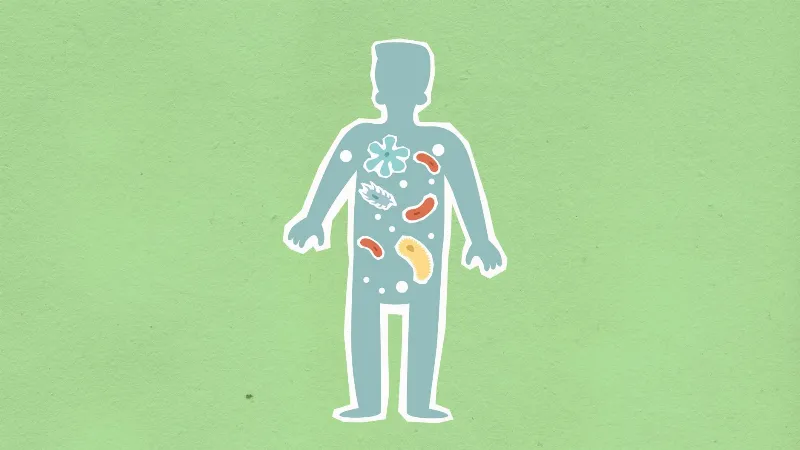
The human microbiome refers to the vast collection of microorganisms, including bacteria, viruses, fungi, and other microbes, that inhabit various parts of the human body. These microbes are especially abundant in the gut but also reside on the skin, in the mouth, and throughout the respiratory and urogenital tracts. This unique ecosystem plays a significant role in maintaining our health.
How does the microbiome function?
The microbiome operates as a complex community where different species interact with one another and with their human host. Each individual's microbiome is unique, influenced by genetics, diet, environment, and lifestyle. These microorganisms help in digesting food, synthesizing essential vitamins, and protecting against harmful pathogens by competing for resources and space.
Furthermore, the microbiome communicates with the immune system, helping to regulate immune responses and inflammation. This interaction is crucial for maintaining a balanced immune system and preventing autoimmune diseases.
Research has shown that disruptions in the microbiome, known as dysbiosis, can lead to various health issues, including obesity, diabetes, allergies, and even mental health disorders. This highlights the importance of maintaining a healthy microbiome through a balanced diet and lifestyle choices.
Why does the microbiome matter?
The relevance of the human microbiome extends beyond individual health. It offers insights into how communities of microbes contribute to human biology and disease. As scientists continue to study the microbiome, they uncover its potential for personalized medicine, where treatments might be tailored based on an individual’s unique microbial composition.
This field of research continues to evolve, revealing patterns about how the microbiome impacts our health and well-being. The ongoing exploration of the human microbiome emphasizes the intricate connections between our bodies and the microbial world, shaping our understanding of health and disease.
In essence, the human microbiome serves as a reminder of the complexity of life and the many unseen factors that influence our health. Its study opens doors to new possibilities in medicine and health sciences.
Hungry for more?
Explore thousands of insights across all categories.
