
Understanding Collective Trauma Responses Through Psychological Mechanisms
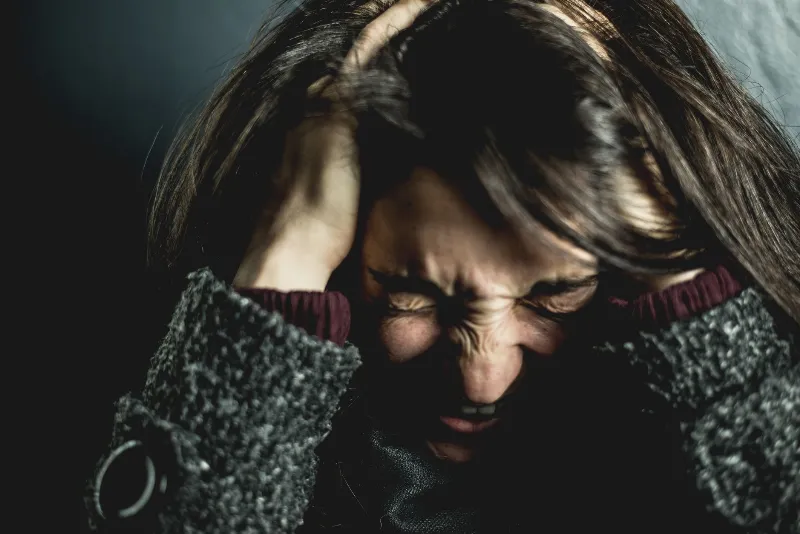

Psychological Impact of Collective Trauma
Collective trauma refers to the psychological impact experienced by a group of people following a significant distressing event. This phenomenon can arise from natural disasters, wars, or terrorist attacks, where the shared experience of suffering alters the group's collective psyche. The psychological mechanisms involved often include heightened anxiety, a sense of helplessness, and a re-evaluation of community values.
Coping Mechanisms and Group Dynamics
In response to collective trauma, groups often exhibit unique coping strategies. These can range from solidarity and collective activism to withdrawal and denial. Some key mechanisms include:
- Social Support: Individuals may seek solace in community ties, fostering resilience through shared experiences.
- Collective Memory: The way a group remembers and narrates its trauma can influence future responses and identity.
- Cultural Rituals: Engaging in rituals can facilitate healing, allowing communities to process grief and trauma collectively.
Understanding these mechanisms is crucial for developing effective therapeutic approaches that address not just individual trauma but also the broader impact on community healing.
Implications for Future Research
Future research in this field can explore the long-term effects of collective trauma on societal structures and individual behaviors. Investigating how different cultures process trauma may yield valuable insights into resilience and recovery patterns. This understanding can inform policy and planning for communities facing potential traumatic events.
Hungry for more?
Explore thousands of insights across all categories.
