
Understanding biometric authentication

What is biometric authentication?
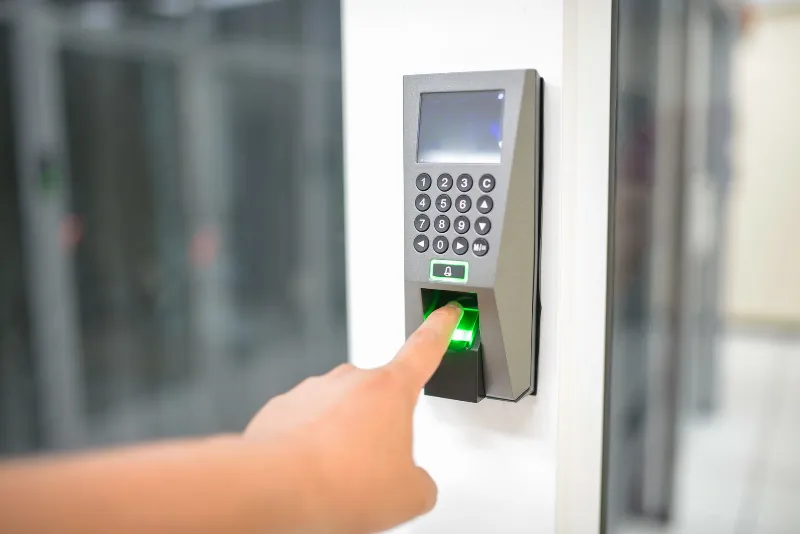
Biometric authentication refers to a security process that uses unique biological traits to verify an individual's identity. Common biometric identifiers include fingerprints, facial recognition, iris patterns, and voice recognition. This method is increasingly favored for its high accuracy and convenience, allowing users to access devices or services without the need for traditional passwords.
How it works
Biometric systems collect and analyze specific physiological or behavioral characteristics. For instance, fingerprint scanners capture the unique patterns of ridges and valleys on a fingertip, while facial recognition systems analyze facial features such as the distance between the eyes or the shape of the jaw. Once the biometric data is collected, it is converted into a digital format and stored in a secure database.
During the authentication process, the system compares the live scan of the user’s biometric data against the stored data. If there is a match, access is granted; if not, the user is denied entry. This method is often more secure than traditional authentication methods, as biometrics are inherently unique to each individual and difficult to replicate.
Applications and significance
Biometric authentication is widely used in various sectors, including banking, healthcare, and mobile technology. For example, smartphones utilize fingerprint sensors or facial recognition for unlocking devices and authorizing transactions. In airports, biometric systems streamline check-in and boarding processes by allowing travelers to verify their identity quickly and efficiently.
This technology matters because it addresses significant security challenges posed by traditional methods, such as passwords, which can be forgotten or stolen. As cybersecurity threats continue to evolve, biometric authentication offers a more robust solution to protect sensitive information and ensure secure access.
Moreover, the increasing reliance on biometric systems raises important discussions about privacy and data security. Concerns about how biometric data is stored, used, and shared are essential as this technology becomes more prevalent in daily life.
Biometric authentication reflects broader trends in technology, emphasizing the need for security that is both effective and user-friendly. Its persistent relevance in discussions about security solutions highlights the ongoing evolution of how we verify identity in an increasingly digital world.
Hungry for more?
Explore thousands of insights across all categories.
