
This New AI Tool Can Personalize Your Education Experience
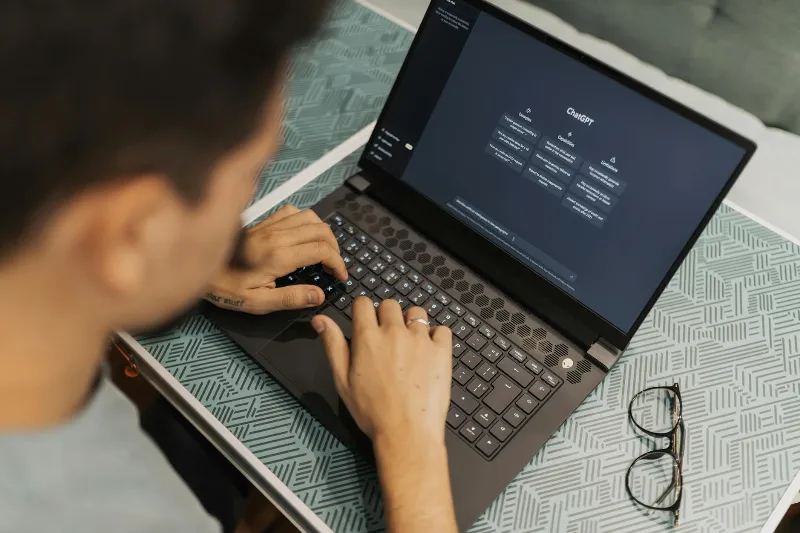

In the digital age, education is evolving faster than ever, driven by advancements in technology. One of the most exciting developments is the emergence of artificial intelligence (AI) tools that are reshaping personalized learning experiences. Imagine a classroom where every student’s unique learning style is catered to, and where educational content adapts in real time to meet individual needs. This is not a distant future; it is happening now.
The Shift Towards Personalization
Personalized education is not just a trend; it is a necessity. Traditional one-size-fits-all teaching methods often leave students behind, failing to acknowledge their diverse learning styles. However, with the integration of AI, educators can now create a tailored learning experience that resonates with each student.
How AI Tools Work
AI tools utilize data analytics and machine learning algorithms to understand how students learn. They can track progress, identify strengths and weaknesses, and suggest resources accordingly. For instance, if a student struggles with math, the AI can provide additional exercises tailored to that specific area, ensuring that the student receives the help they need when they need it.
Real-World Applications
Several educational institutions are already harnessing the power of AI to enhance learning outcomes. For example, platforms like DreamBox Learning and Knewton use adaptive learning technologies to customize the educational content for each learner. These platforms adjust the difficulty of problems based on real-time performance, ensuring that students are always challenged but never overwhelmed.
The Benefits of Personalized Learning
1. Improved Engagement: Students are more likely to engage with material that is relevant to their interests and learning pace.
2. Enhanced Retention: Tailored content helps students retain information better, as lessons are adapted to their unique learning styles.
3. Greater Accessibility: AI tools can provide learning resources for students with disabilities, helping to create an inclusive educational environment.
Challenges and Considerations
While the benefits are clear, there are challenges to consider. Privacy concerns around data collection are paramount. Schools must ensure that student data is protected and used ethically. Additionally, there is the need for teacher training to effectively integrate these tools into their teaching strategies.
The Future of Education
As we look to the future, the role of AI in education will only continue to grow. Innovations such as virtual reality (VR) and augmented reality (AR) combined with AI could further enhance personalized learning experiences. Imagine a scenario where a history lesson comes to life through VR, allowing students to explore ancient civilizations firsthand.
Conclusion
The integration of AI tools in education represents a significant leap forward in how we approach learning. By personalizing the educational experience, we can cater to the unique needs of each student, fostering a more effective and engaging learning environment. As technology continues to advance, the possibilities for personalized education are limitless.
Hungry for more?
Explore thousands of insights across all categories.
