
Thermoregulation Study Tests Our Ideas About Animal Adaptation

Temperature Control in the Animal Kingdom
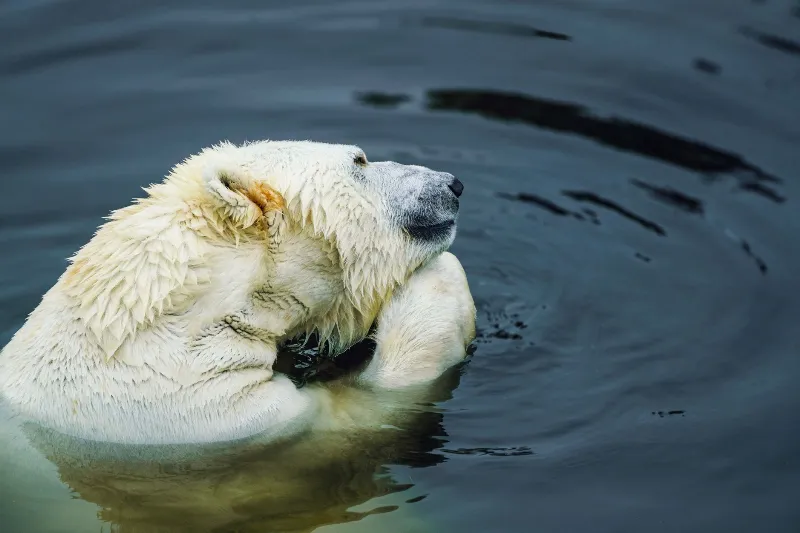
In the wild, animals face a constant battle to maintain their body temperature within a narrow range, which is crucial for survival. For instance, a desert lizard must find shade to cool down, while a polar bear relies on its thick fur and fat to insulate against the cold. This dynamic balance between heat production and heat loss is known as thermoregulation, and it plays a pivotal role in how species thrive in their respective habitats.
Redefining Adaptation Mechanisms
Traditional views on adaptation often emphasize physical traits like body size or fur type. However, recent studies on thermoregulation suggest that behavioral adaptations, such as seeking specific microhabitats, are equally vital. For example, fish in varying depths of water may adjust their position based on temperature fluctuations, showcasing a behavioral flexibility that is crucial for their survival. This revelation pushes scientists to reconsider what adaptation really means in the context of changing environments.
Ecological Implications of Thermoregulation
The implications of thermoregulation studies extend beyond individual species. Understanding how animals adapt to temperature changes can provide insights into broader ecological dynamics, particularly as climate change alters habitats. Species that can effectively manage their body temperature may be better equipped to survive shifts in their environment. This knowledge can inform conservation efforts, helping to protect vulnerable species that struggle with temperature extremes.
By examining the intricate mechanisms of thermoregulation, researchers are uncovering the layers of complexity in animal adaptation. As these studies advance, they not only challenge existing paradigms but also highlight the need for a comprehensive understanding of how life interacts with the environment.
Hungry for more?
Explore thousands of insights across all categories.
