
The House in the Cerulean Sea - TJ Klune
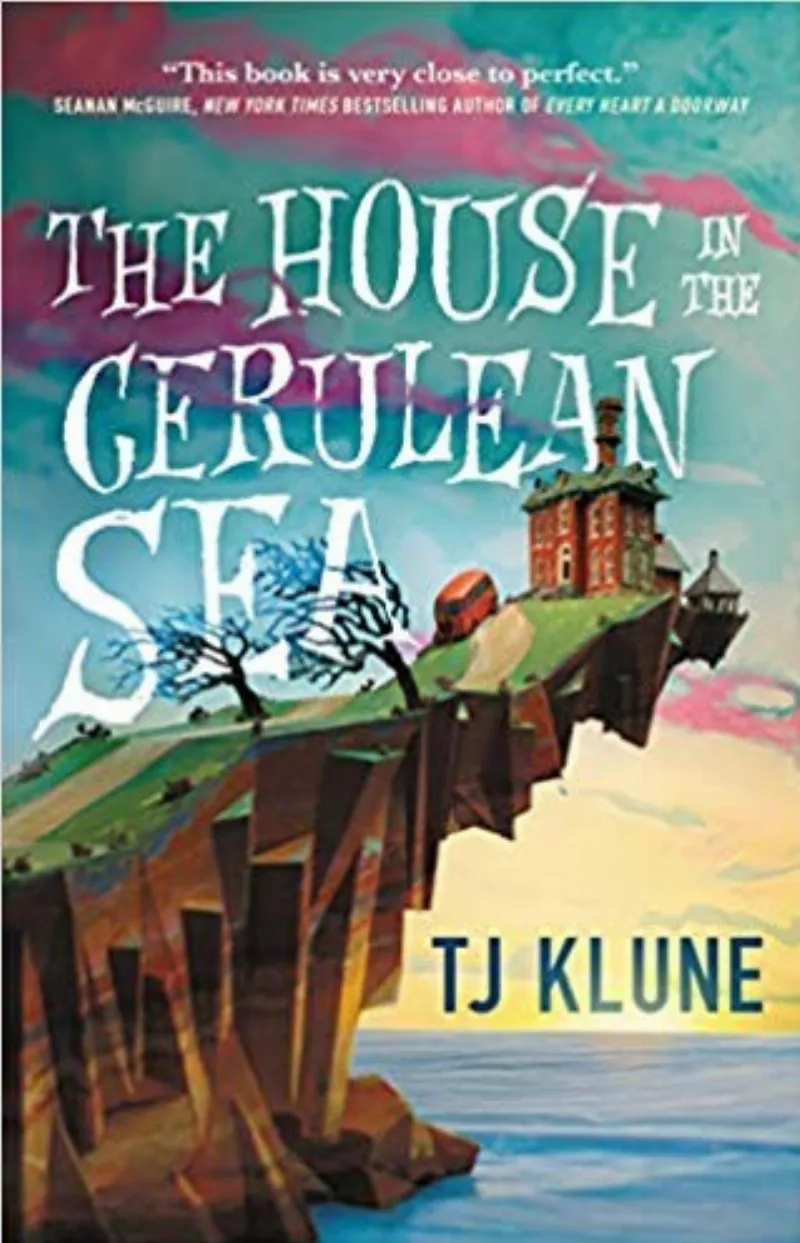

In a world where magic is both feared and misunderstood, Linus Baker leads a quiet, orderly life as a caseworker for the Department in Charge of Magical Youth. His days are filled with paperwork and regulations, ensuring that magical children are monitored and kept safely away from society. But everything changes when he receives an unusual assignment: to investigate a mysterious orphanage on an isolated island, home to six extraordinary children, each with unique abilities that challenge the very fabric of what it means to be normal.
As Linus arrives at the orphanage, he is greeted by an eclectic group of children, including a gnome, a wyvern, and a girl who can manipulate time. Their charm and innocence begin to thaw his rigid worldview, making him question the prejudices he has long upheld. The caretaker of these children, Arthur Parnassus, is not just a guardian but a fiercely protective figure who defies the societal norms surrounding magical beings.
Linus's mission is to assess whether the children pose a threat to the world outside their sanctuary. However, as he spends time with them, he discovers that their quirks are not just magical phenomena but expressions of their identities and experiences. They share laughter, fears, and dreams, creating a bond that reshapes Linus’s understanding of family and love.
The idyllic setting of the orphanage contrasts sharply with the oppressive bureaucracy Linus is accustomed to, leading him on a journey of self-discovery. He grapples with his own feelings of belonging and the nature of acceptance, realizing that love can exist in the most unexpected places. The children’s unfiltered joy and Arthur’s unwavering support challenge Linus to embrace the chaos of life rather than fear it.
As the story unfolds, tension builds when the very existence of the orphanage comes under threat from those who wish to maintain the status quo. Linus must confront his own fears and prejudices while deciding where his loyalties lie. This dilemma pushes him toward a defining moment that could change the fate of the children he has come to love.
Throughout the narrative, themes of acceptance, found family, and the courage to be oneself resonate deeply. Klune’s prose invites readers into a world where the lines between normal and extraordinary blur, encouraging them to reflect on their perceptions of difference.
Ultimately, 'The House in the Cerulean Sea' leaves readers with a sense of hope and the belief that love can bridge even the widest gaps. Linus's journey toward acceptance is not just about the children; it’s a reminder that everyone deserves a place to belong, regardless of their differences. As the story gently concludes, the emotional resonance lingers, allowing readers to contemplate their own journeys toward understanding and acceptance.
Hungry for more?
Explore thousands of insights across all categories.
