
The 7 Habits of Highly Effective People - Stephen R. Covey
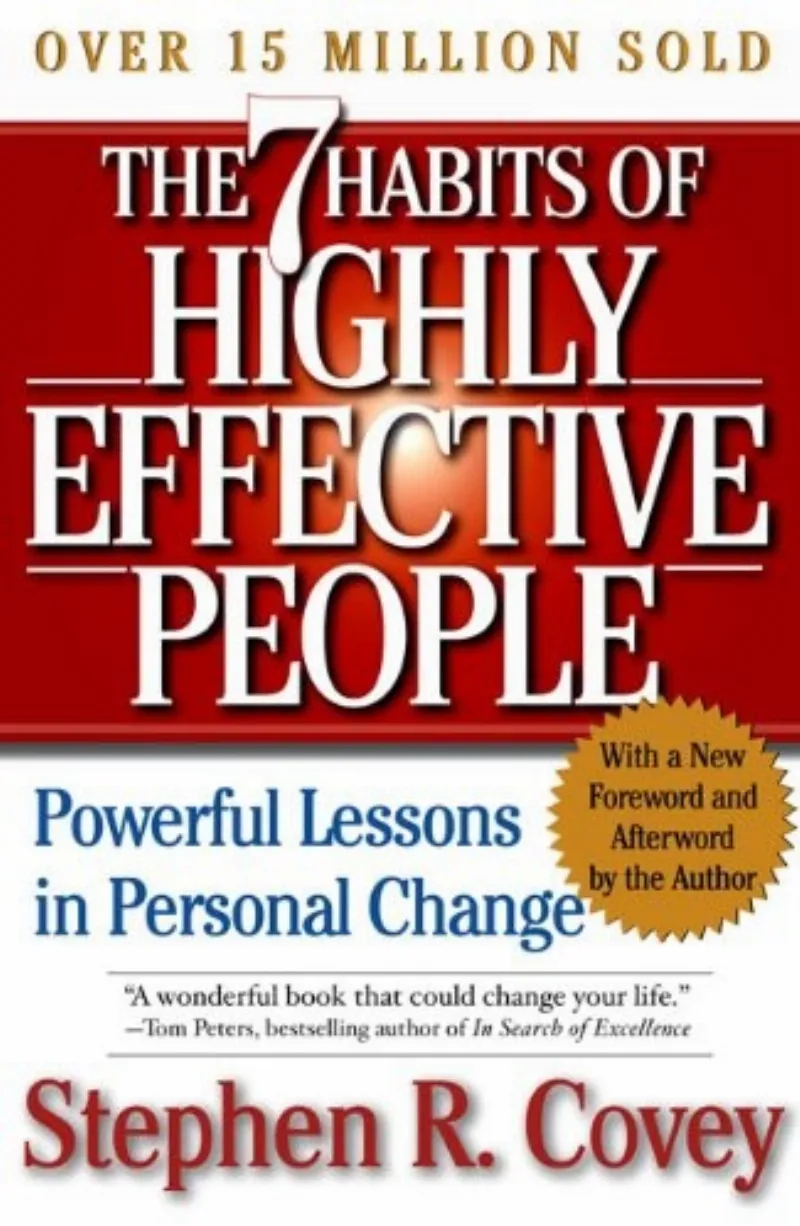

Introduction to the 7 Habits
In the early chapters of the book, Covey establishes the importance of character ethics over personality ethics. He emphasizes that true success is rooted in personal integrity, which forms the foundation of lasting effectiveness. Covey introduces the concept of paradigms, or the frameworks through which individuals view the world.
Habit 1: Be Proactive
The first habit, 'Be Proactive,' encourages individuals to take responsibility for their actions. Covey contrasts proactive people with reactive individuals, explaining how proactive individuals focus on what they can control rather than what they cannot. This shift in mindset lays the groundwork for personal empowerment.
Habit 2: Begin with the End in Mind
The second habit, 'Begin with the End in Mind,' urges readers to envision their life goals. Covey suggests creating a personal mission statement to clarify values and objectives. This habit pushes individuals to align their daily actions with long-term aspirations, fostering a sense of purpose.
Habit 3: Put First Things First
In the third habit, 'Put First Things First,' Covey discusses time management and prioritization. He introduces the Time Management Matrix, which categorizes tasks based on urgency and importance. By focusing on what truly matters, individuals can manage their time more effectively, leading to greater productivity.
Habit 4: Think Win-Win
Covey's fourth habit, 'Think Win-Win,' promotes a mindset of mutual benefit in relationships. He emphasizes the importance of interdependence and collaboration, advocating for solutions that satisfy all parties involved. This approach encourages a cooperative rather than competitive spirit in personal and professional interactions.
Habit 5: Seek First to Understand, Then to Be Understood
The fifth habit, 'Seek First to Understand, Then to Be Understood,' highlights the significance of empathetic communication. Covey explains that effective listening is essential for developing strong relationships. By understanding others' perspectives before expressing one's own, individuals can foster trust and cooperation.
Habit 6: Synergize
Covey introduces 'Synergize' as the sixth habit, advocating for teamwork and collaboration. He explains that the whole is greater than the sum of its parts, and diverse perspectives can lead to innovative solutions. This habit emphasizes the power of collective problem-solving.
Habit 7: Sharpen the Saw
The final habit, 'Sharpen the Saw,' focuses on self-renewal and continuous improvement. Covey discusses the importance of maintaining balance in four areas: physical, social/emotional, mental, and spiritual. By investing in self-care and development, individuals can sustain their effectiveness over time.
Conclusion: Integrating the Habits
Covey concludes by emphasizing that these habits are interconnected and build upon each other. He encourages readers to practice these principles consistently to foster meaningful change in their lives. The book serves as a roadmap for personal and professional growth, advocating for a holistic approach to effectiveness.
Hungry for more?
Explore thousands of insights across all categories.
