
Stress Response Myths: What Really Happens Inside the Body

Stress Isn't Just Bad: The Body's Complex Reaction
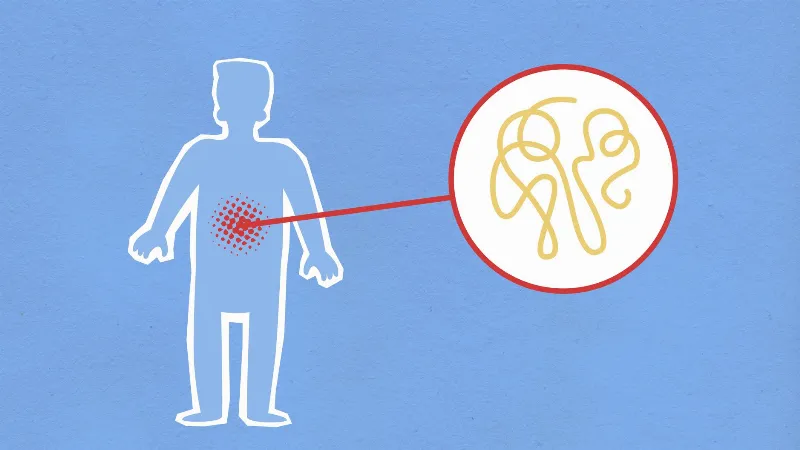
Many people think stress is solely detrimental, but the reality is much more complex. When faced with stressors, the human body undergoes a series of biological changes designed to help us respond effectively. This process, known as the stress response, involves the activation of the hypothalamic-pituitary-adrenal (HPA) axis, leading to the release of hormones like adrenaline and cortisol. These hormones prepare the body for a 'fight or flight' response, increasing heart rate and energy levels.
Misunderstanding Stress: It's Not Always Adverse
While chronic stress can lead to various health issues, acute stress can actually enhance performance and focus. This is often overlooked in discussions about stress. For example, the adrenaline rush can improve reaction times and boost cognitive function temporarily, which is why some people perform better under pressure. Understanding this dual nature of stress can shift how we view stressful situations, recognizing that not all stress is harmful.
Moreover, the body’s adaptability plays a crucial role. Short bursts of stress can trigger resilience, allowing individuals to cope with challenges more effectively over time. This phenomenon illustrates the importance of context in stress experiences, suggesting that our perceptions of stress need reevaluation.
Implications for Mental Health
Recognizing that stress can have both positive and negative effects is essential for mental health. It encourages a more balanced approach to stress management. Instead of solely focusing on stress reduction, embracing stress as a potential motivator can lead to personal growth and improved coping strategies. This shift in perspective can help individuals navigate their stressors more effectively, ultimately leading to a healthier relationship with stress.
Understanding the nuances of our stress responses reveals much about human behavior and resilience. As we explore these complexities, we can better appreciate how our bodies interact with the challenges we face.
Hungry for more?
Explore thousands of insights across all categories.
