
Social Comparison Behavior's Hidden Underlying Causes: What Lies Beneath
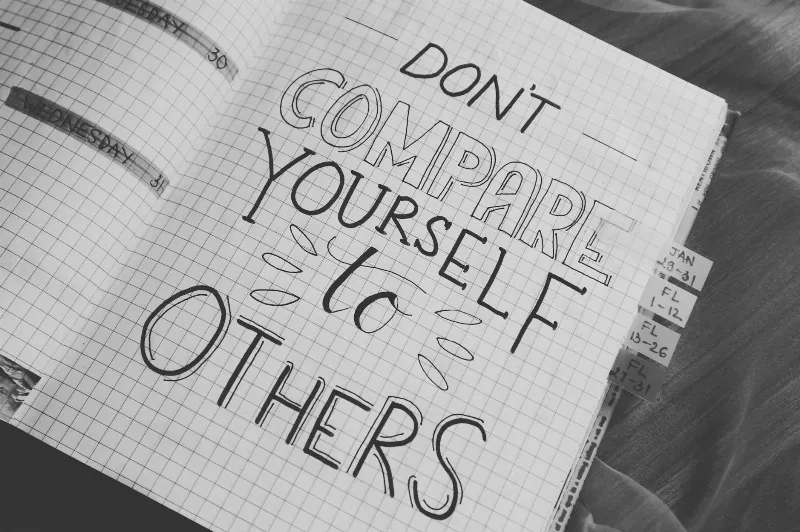

Understanding Social Comparison
Social comparison behavior is a fundamental aspect of human interaction. It’s the process through which individuals evaluate themselves in relation to others. This behavior occurs frequently, often without conscious awareness, shaping our self-esteem and influencing our decisions. The urge to compare can stem from various sources, including cultural norms, personal insecurities, and the desire for social acceptance.
The Cultural Influence on Comparison
Culture plays a significant role in shaping how we perceive ourselves and others. In societies that prioritize individual achievement, there is often a heightened focus on competition. This competitive environment can exacerbate feelings of inadequacy when individuals perceive themselves as falling short compared to their peers. Social media further amplifies these feelings, presenting curated versions of life that can distort reality and fuel comparison.
Internal Drivers of Comparison
Beyond cultural factors, internal drivers also influence social comparison behavior. A person's self-esteem, for instance, can significantly affect how they gauge their worth in relation to others. Those with lower self-esteem may engage in more frequent comparisons, often leading to negative self-perceptions. Furthermore, personality traits such as narcissism or a tendency toward perfectionism can also heighten the inclination to compare oneself with others, creating a cycle of self-doubt and dissatisfaction.
Reflecting on Your Comparisons
Recognizing the roots of social comparison behavior can foster a deeper understanding of oneself. It’s not just about the comparisons we make but also about what drives these comparisons. Reflecting on the motivations behind these comparisons may lead to greater self-awareness and a more compassionate perspective towards oneself and others. This awareness can be transformative, revealing the complexities of human relationships and self-perception.
Hungry for more?
Explore thousands of insights across all categories.
