
Rømmegrøt: Discover This Traditional Norwegian Sour Cream Porridge Recipe
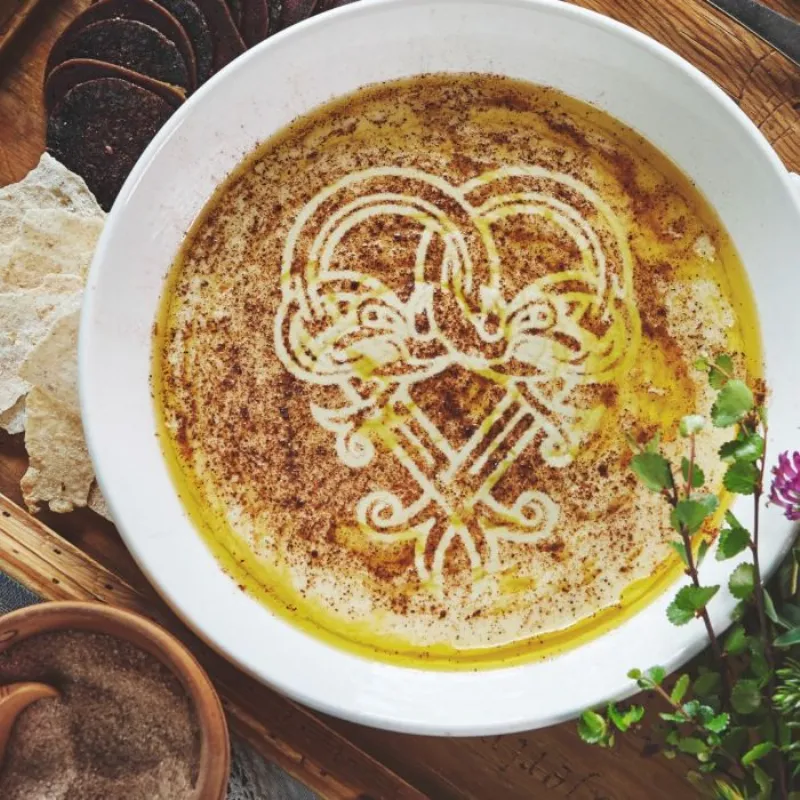
History & Origin
Rømmegrøt, or Norwegian sour cream porridge, has deep roots in Norway's culinary tradition. This dish dates back to the Middle Ages and is believed to have evolved from the need to utilize dairy products in the harsh Norwegian climate. Traditionally prepared for festive occasions and special gatherings, Rømmegrøt symbolizes comfort and celebration within Norwegian culture. Its rich and creamy texture is a testament to the high-fat dairy products that Norway is famous for, making it a staple during holidays such as Christmas and Syttende Mai (Norwegian Constitution Day).
Nutritional Values
- Calories: Approximately 350 per serving
- Fat: 22g
- Carbohydrates: 30g
- Protein: 6g
- Sugar: 5g
- Sodium: 400mg
- Calcium: 15% of the Daily Value
Rømmegrøt is a source of essential nutrients, primarily due to its dairy content. The use of full-fat sour cream contributes to its high-caloric nature, making it a hearty breakfast option. While it may be rich in fats, it also provides calcium, which is crucial for bone health. The addition of sugar and cinnamon enhances its flavor, but moderation is advisable for those watching their sugar intake.
Recipe & Ingredients
To prepare Rømmegrøt, gather the following ingredients:
- 2 cups full-fat sour cream
- 3/4 cup flour
- 2 cups milk
- 1 tsp salt
- Sprinkling of sugar
- Sprinkling of cinnamon
- Butter (to taste)
Follow these simple steps to create this delightful dish:
- Cook the sour cream in a covered saucepan over medium heat for about 5 minutes.
- Reduce the heat and mix in half of the flour, whisking well. Allow the mixture to cook, stirring occasionally, until the fat begins to release.
- If possible, collect the fat in a small bowl for later use. If not, butter can be added later for richness.
- Incorporate the remaining flour and slowly whisk in the milk, ensuring no lumps form. Cook on low heat for another 5 minutes before adding salt.
- Serve warm, topped with sugar, cinnamon, and the reserved fat or butter.
This comforting dish is often associated with family gatherings and festive celebrations, making it an integral part of Norwegian culture.
Hungry for more?
Explore thousands of insights across all categories.