
Robotics: What It Is And How It Will Transform Future Work Environments
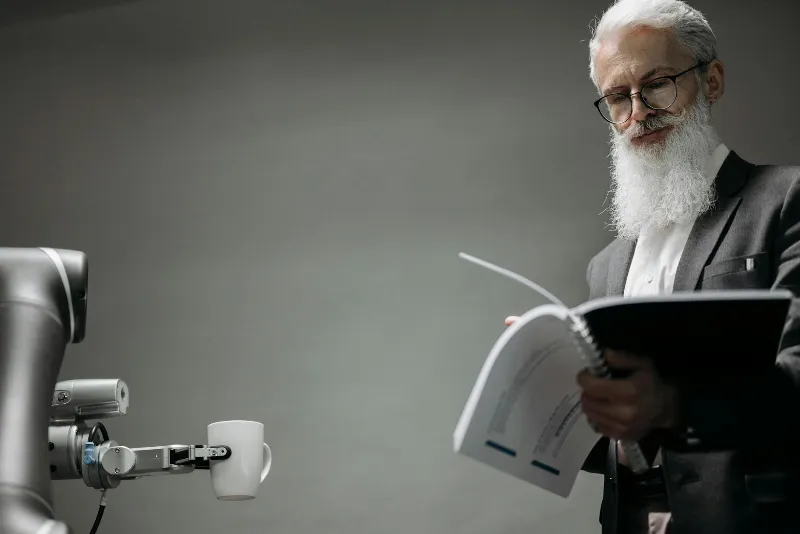

Understanding Robotics in Today's Context
Robotics has evolved from simple mechanical devices to complex systems that can learn and adapt. Today, we see robots performing tasks in manufacturing plants, hospitals, and even homes. They can assemble cars, assist in surgeries, and automate mundane household chores. This transformation stems from advancements in artificial intelligence, machine learning, and sensor technologies, enabling robots to work more independently and effectively alongside humans.
Applications of Robotics in Future Work Environments
As we look to the future, the applications of robotics expand further into various sectors:
- Manufacturing: Robots will handle more intricate tasks, enhancing production rates and ensuring quality control.
- Healthcare: Surgical robots and patient care assistants will improve accuracy in procedures and provide support for healthcare professionals.
- Logistics: Automated systems will streamline inventory management and delivery processes, reducing time and errors.
These advancements are not just about replacing human labor; they also create new roles that require oversight, maintenance, and programming of robotic systems. Workers will need to collaborate with robots, focusing on tasks that require critical thinking and emotional intelligence.
Implications of Robotics in the Workforce
As robotics becomes more entrenched in our work environments, it prompts discussions around workforce adaptation and the necessity for retraining. While some jobs may become obsolete, new opportunities will emerge, particularly in tech-driven fields. The key is to balance automation with human skills, ensuring that the workforce is prepared for a future where collaboration with machines is the norm.
Robotics will not only transform how we work but also how we think about work. Embracing this technology can lead to increased productivity and innovation, provided we remain mindful of the human element in every robotic interaction.
Hungry for more?
Explore thousands of insights across all categories.
