
Oceans Hold Over 20 Million Years Of Earth's Ancient Secrets
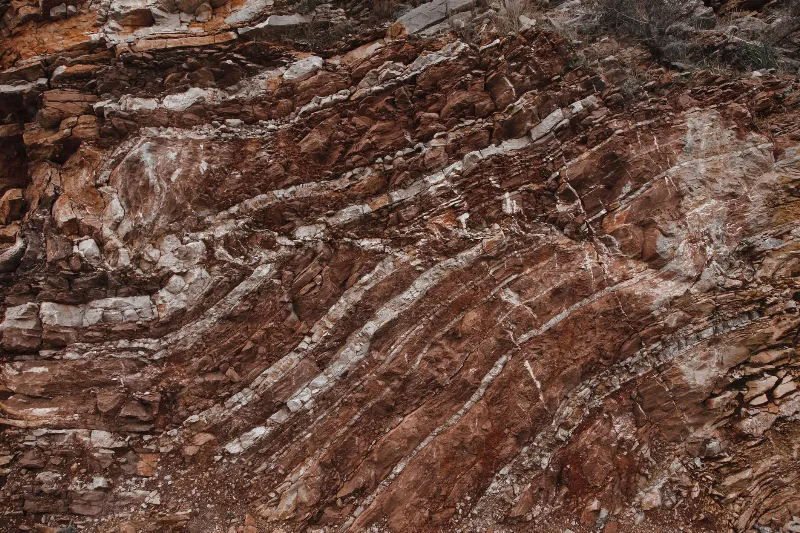

Marine Sediments as Time Capsules
The depth of the ocean is more than just a vast expanse of water; it's a historical record. Marine sediments accumulate over millions of years, forming layers that encapsulate information about ancient climates, ecosystems, and geological events. Each layer represents a different period, giving scientists a rich tapestry to study Earth's past.
Impact on Climate Understanding
By examining these sediment layers, researchers can unravel the complexities of climate change over millennia. For instance, the isotopic composition of certain sediment layers provides clues about historical temperature fluctuations. This information is crucial for predicting future climate scenarios and understanding how Earth's systems respond to natural and human-induced changes.
Biological Evolution Insights
- Fossil records in sediments reveal ancient marine life.
- Changes in species distributions indicate responses to environmental shifts.
- Marine sediments show the impact of past extinction events.
Marine sediments also harbor fossils that document the evolution of life in the oceans. By analyzing these fossils, scientists can trace how species adapted to changing environments, providing insights into biological resilience and extinction patterns. Understanding these evolutionary trends is vital as we face contemporary biodiversity crises.
Future of Oceanic Research
The oceans' ability to preserve ancient secrets opens exciting avenues for future research. As technology advances, methods such as deep-sea drilling and advanced imaging will enhance our ability to explore these underwater archives. This ongoing exploration promises to deepen our understanding of Earth’s history and the intricate processes that have shaped it.
As we delve into the depths of our oceans, we unlock a treasure trove of knowledge that reveals the Earth’s past. This ongoing endeavor not only enriches our comprehension of historical events but also equips us to face the future with a better grasp of our planet's dynamic systems.
Hungry for more?
Explore thousands of insights across all categories.
