
New developments in generative algorithms redefine digital art standards
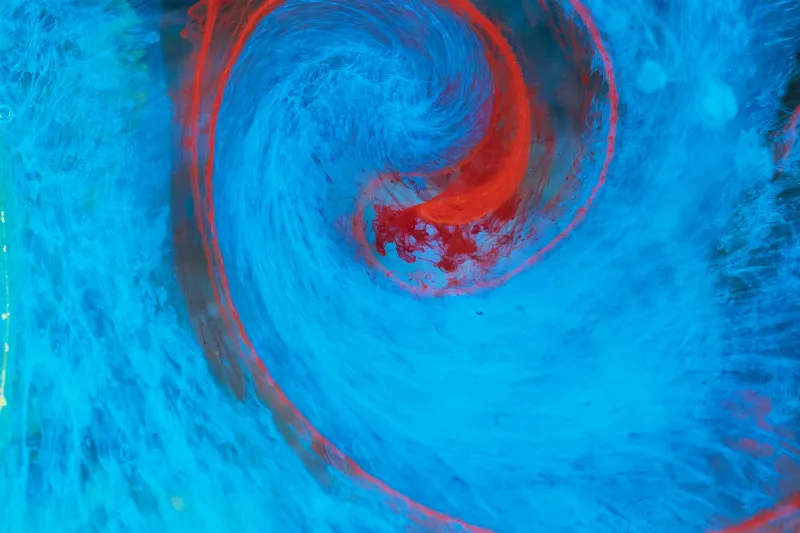

Innovative algorithms are changing the art world
Generative algorithms are at the forefront of a digital art revolution, providing artists with new tools to explore creativity. These algorithms, which use mathematical models and machine learning, enable artists to create unique, complex artworks that were previously unimaginable.
The rise of generative art
In recent years, generative art has gained immense popularity, driven by advancements in technology and software. Artists are leveraging these tools to produce work that is not only visually stunning but also conceptually rich. Here’s how these algorithms are reshaping the landscape:
- Dynamic creation: Algorithms can generate art in real-time, allowing for interactive experiences that engage viewers on a deeper level.
- Endless variability: Each piece created by generative algorithms is unique, offering an infinite variety of outcomes based on the parameters set by the artist.
- Collaboration with AI: Artists are increasingly collaborating with AI, merging human creativity with computational power to push artistic boundaries.
Case studies in generative art
Several artists and collectives have embraced generative algorithms to create groundbreaking works:
“Art is no longer confined to the canvas; it lives and breathes in the digital space through algorithms.”Take for instance the work of Refik Anadol, who uses AI to transform vast datasets into mesmerizing visual narratives. His installations, often displayed in public spaces, captivate audiences by turning complex data into art.
Another example is the collective known as Generative Artworks, which showcases artists who utilize code to create visually stunning pieces that challenge traditional notions of art. Their projects emphasize the role of the artist as a curator of algorithms, rather than a sole creator.
Impact on the art market
The rise of generative art is not just a fleeting trend; it’s creating a significant impact on the art market. NFTs (non-fungible tokens) have provided a platform where generative artworks can be bought, sold, and collected, establishing a new economic model for digital art.
Imagine this: an artwork that evolves and changes over time, reflecting ongoing interactions or data inputs. Collectors are increasingly interested in digital pieces that can provide ongoing engagement, leading to a shift in how value is perceived in the art world.
Future of generative algorithms in art
As technology continues to advance, the potential for generative algorithms in art is limitless. Artists are exploring:
- Augmented reality: Integrating generative art into AR experiences, allowing viewers to interact with art in their physical environments.
- Virtual reality experiences: Creating immersive environments where users can explore generative art in three dimensions.
- Ethical considerations: Addressing the implications of AI in creativity, including authorship and originality.
As these developments unfold, artists and technologists will continue to collaborate, driving innovation and expanding the horizons of what is possible in digital art.
Hungry for more?
Explore thousands of insights across all categories.
