
Neural connections and emotional responses: Why your brain reacts to familiar faces
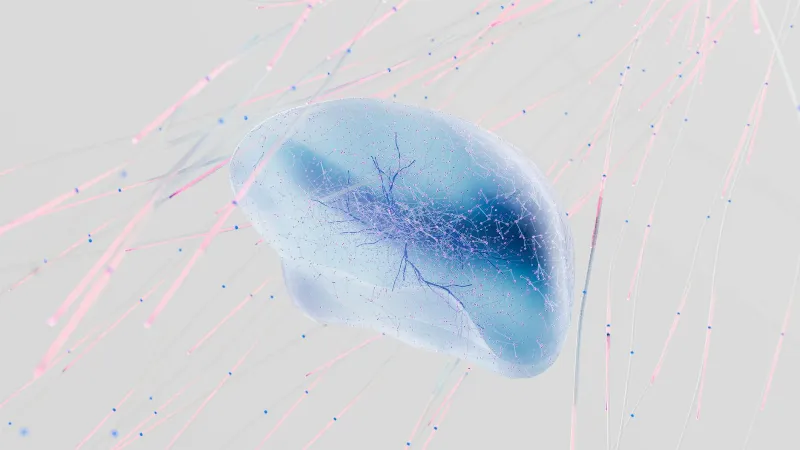

Neural Connections at Work
Every time you spot a familiar face, a complex dance of neural activity unfolds in your brain. This isn't just happenstance; it's rooted in the intricate architecture of our neural pathways.
- Fusiform Gyrus: Located in the temporal lobe, this region is crucial for facial recognition. It processes visual information about faces and is particularly responsive to familiar ones.
- Amygdala Activation: This almond-shaped cluster of nuclei plays a pivotal role in emotional processing. When you see someone you know, the amygdala lights up, triggering emotional responses.
- Mirror Neurons: These neurons fire both when we act and when we observe others. They help in understanding emotions and intentions, creating a shared emotional experience.
Why Familiar Faces Matter
Imagine walking into a crowded room. Your eyes scan the faces, but one stands out. Why does this recognition spark a surge of emotions? It’s all about the connections your brain has formed over time.
“Recognition isn’t merely a cognitive function; it’s a deeply emotional experience.”Familiar faces can elicit feelings of joy, nostalgia, or even anxiety. This is due to the associations built around those individuals, influenced by past interactions and experiences. The brain encodes these emotional memories, linking them to specific faces.
Neurobiology Behind Emotion
When you see a friend, the brain isn't just recognizing a face; it’s recalling shared moments, laughter, support, conflict. This activation of memory leads to emotional responses that are often visceral.
Neurotransmitters at Play
Several neurotransmitters and hormones are involved in how we emotionally respond to familiar faces:
- Dopamine: Often dubbed the 'feel-good' neurotransmitter, it surges during positive interactions, enhancing feelings of happiness when we see familiar faces.
- Oxytocin: Known as the 'bonding hormone', it plays a role in social interactions and can enhance feelings of trust and empathy towards familiar individuals.
- Cortisol: In contrast, this stress hormone may spike when encountering someone associated with negative experiences, illustrating the dual nature of familiarity.
The Science of Recognition
Research shows that our brains are wired to recognize and respond to familiar faces almost instantaneously. This response is crucial for our social survival, allowing us to identify friends and foes alike.
Evolutionary Perspective
From an evolutionary standpoint, recognizing familiar faces has been essential for social bonding and group dynamics. Early humans relied on these connections for survival, forming alliances and navigating complex social hierarchies.
Every Face Tells a Story
Next time you see a familiar face, consider the myriad of emotions flooding your brain. It’s not just recognition; it’s a cascade of memories and feelings. This intricate system of neural connections illustrates the profound interplay between our brains and our social world.
So, what happens when you see someone unexpected? Your brain must reassess, recalibrating emotional responses based on new information. This complexity makes human interactions endlessly fascinating.
Hungry for more?
Explore thousands of insights across all categories.
