
Mystery of gut microbiome: How specific bacteria in your intestines influence mood
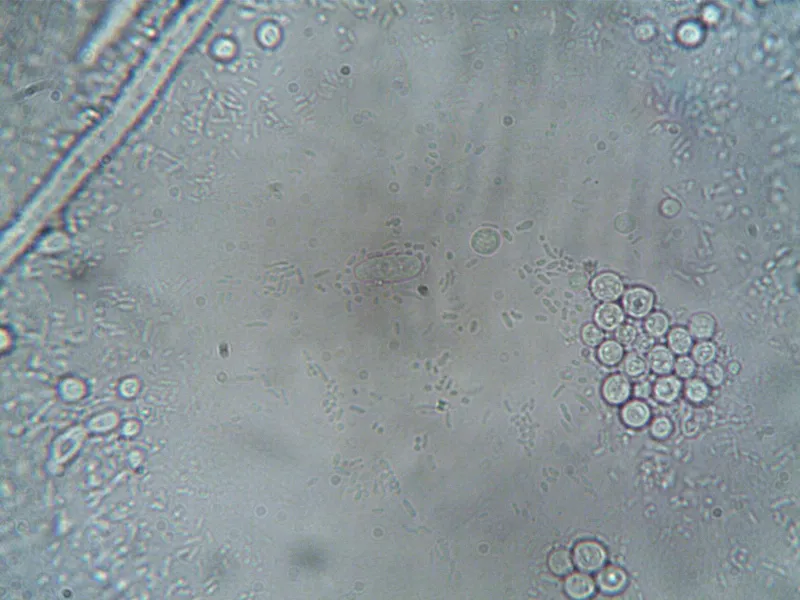

Gut Microbiome: A Hidden Player in Mental Health
The gut microbiome, comprising trillions of microorganisms, is not just a digestive powerhouse. It plays a crucial role in regulating mood and emotions. Recent studies reveal the astonishing impact of specific gut bacteria on mental well-being.
Key Bacteria That Influence Mood
- Faecalibacterium prausnitzii: Known for its anti-inflammatory properties, this bacteria is inversely related to anxiety levels.
- Prevotella: Linked to higher levels of serotonin, this genus may enhance mood and cognitive function.
- Bacteroides: Associated with depressive symptoms, an imbalance can lead to significant mood disorders.
The Gut-Brain Axis Explained
The gut-brain axis is a direct pathway linking the digestive system to the brain. This connection allows bacteria to influence neurotransmitter production, particularly serotonin, which is often dubbed the 'happiness hormone'.
But how does this happen? Gut bacteria communicate with the central nervous system through:
- Neurotransmitters: Bacteria can produce neurotransmitters that send signals to the brain.
- Immune System: The microbiome affects immune responses, which can influence mood and behavior.
- Vagus Nerve: This nerve acts as a communication highway between the gut and the brain.
Dietary Impact on Gut Bacteria
What you eat directly influences your gut microbiome. Diets rich in fiber, fermented foods, and polyphenols promote the growth of beneficial bacteria. Consider these dietary choices:
- Fermented Foods: Yogurt, kimchi, and sauerkraut enhance gut flora diversity.
- High-Fiber Foods: Whole grains, fruits, and vegetables feed good bacteria.
- Polyphenol-Rich Foods: Dark chocolate, berries, and green tea can positively affect gut health.
Future Implications for Mental Health
The link between gut bacteria and mood opens new avenues for treating mental health disorders. Probiotics and prebiotics could serve as potential therapies for anxiety and depression. As research progresses, we might witness:
- Tailored probiotic treatments based on individual microbiome profiles.
- Dietary recommendations specifically designed to enhance mental health.
- Broader acceptance of gut health as a fundamental aspect of overall wellness.
In conclusion, the intricate dance between gut bacteria and mental health is just beginning to be understood. The more we learn, the more we realize that a healthy gut may be essential for a healthy mind.
Hungry for more?
Explore thousands of insights across all categories.
