
Most People Don't Realize Cats Can Understand Human Emotions

What You Didn't Know About Your Cat
Ever felt your cat just gets you? You’re not alone. Many cat owners swear their pets understand their emotions. But how true is this? Studies reveal a fascinating truth: cats are more intuitive than we give them credit for.
Imagine returning home after a long day. You flop onto the couch, and your cat jumps up beside you. It purrs softly, nuzzling your hand. Is it just seeking warmth? Or does it sense your mood?
The Surprising Truth Behind Feline Intuition
Research indicates that cats can pick up on human emotions through vocal tones and body language. They might not speak our language, but they sure know how to read us. A cat's ability to detect emotional cues is rooted in their evolutionary history. They have lived alongside humans for thousands of years, honing their skills.
In fact, a recent study published by the National Institute of Health shows that cats can recognize their owner's voice. They respond differently to happy or angry tones. It’s not just about food or playtime; it's about connection.
Cats are more than mere companions. They are emotional barometers. When you’re happy, they might playfully chase a toy; when you're down, they might curl up beside you. They’re attuned to changes in your mood.
A Day in the Life of a Cat
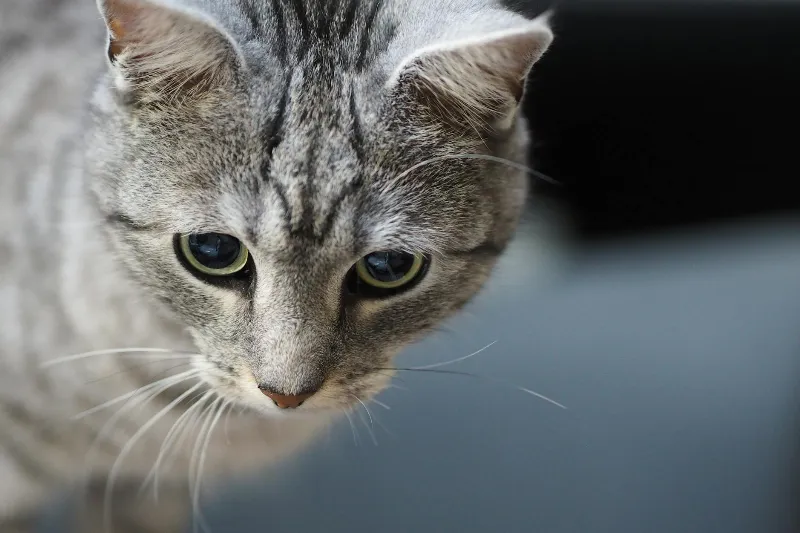
Picture a sunny afternoon. You’re lounging, reading a book. Your cat watches you intently, head tilting slightly. Is it curious? Or is it gauging your emotions? This behavior is common. Cats often observe their owners before deciding how to act.
Sometimes, they might approach cautiously. Other times, they leap into your lap. This behavior shows their desire to connect with you, to offer comfort or companionship. They’ve learned that your moods can shift and they want to be a part of it.
How Cats Communicate Their Understanding
Have you noticed your cat’s body language? That slow blink? It’s often referred to as a “cat kiss.” When they look at you and slowly close their eyes, they’re showing affection. It’s their way of saying, “I trust you.”
Moreover, cats use their tails and ears to express emotions. An upright tail indicates confidence, while a flicking tail can signal irritation or excitement. Paying attention to these signals can enhance your bond. You’ll start to understand not just what your cat wants, but how they feel.
What We Can Learn from Our Feline Friends
Every interaction with your cat can be a lesson in emotional intelligence. They teach us to be present, to observe, and to respond. The next time your cat curls up next to you, take a moment. Reflect on the trust they place in you.
Our cats are not just pets; they are companions who navigate our emotional landscapes. They remind us that understanding goes beyond words. It’s in the purrs, the head nudges, and the quiet companionship.
So, the next time you think your cat is just lounging around, remember: they might be reading your emotions and responding in ways you never imagined.
Hungry for more?
Explore thousands of insights across all categories.
