
Mitochondrial DNA reveals why some people age slower than others

Mitochondrial DNA's Unique Role
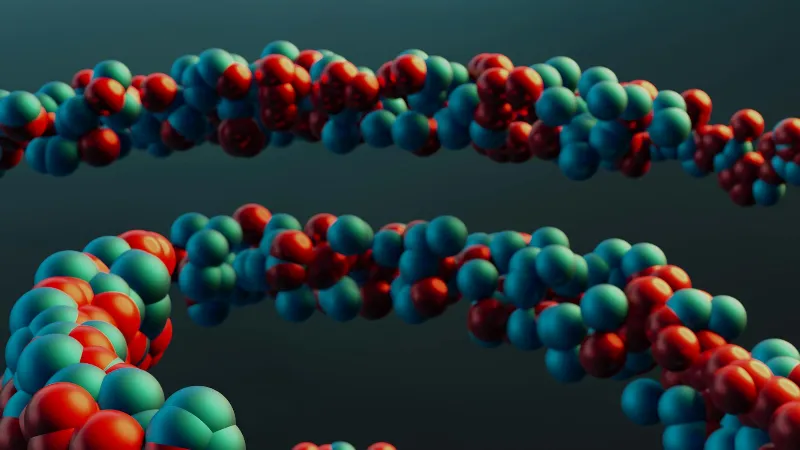
Mitochondrial DNA (mtDNA) is a fascinating subject in the field of genetics. Unlike nuclear DNA, which is inherited from both parents, mtDNA is passed down maternally. This unique inheritance pattern has profound implications for aging.
Energy Production and Aging
Mitochondria are the powerhouses of the cell, generating adenosine triphosphate (ATP) through oxidative phosphorylation. This process is vital for maintaining cellular function and overall energy levels. As people age, mutations in mtDNA can accumulate, leading to decreased energy production and increased oxidative stress.
Key insight: A study found that individuals with fewer mtDNA mutations tend to maintain better cellular function as they age.Genetic Variability and Longevity
Not everyone ages at the same rate. Some individuals possess genetic variations in their mtDNA that confer advantages in energy metabolism and cellular repair mechanisms. Research indicates that certain haplogroups, which are groups of similar mtDNA sequences, are associated with prolonged lifespan.
- Haplogroup J: Linked to increased longevity and a lower rate of age-related diseases.
- Haplogroup T: Associated with better mitochondrial function and efficiency.
Impact of Environment and Lifestyle
While mtDNA plays a significant role in aging, environmental factors and lifestyle choices also contribute. Factors such as diet, physical activity, and exposure to toxins influence the expression of mitochondrial genes. Imagine this: a person who exercises regularly and consumes a balanced diet rich in antioxidants may experience less mitochondrial damage over time.
Research Studies Unveiling the Connection
Several studies have highlighted the link between mtDNA and aging:
- Research by the University of California, Berkeley, showed that individuals with high levels of mitochondrial efficiency lived significantly longer.
- A study published in the journal Nature Communications demonstrated that mtDNA mutations correlate with the onset of age-related diseases like Alzheimer's.
Future Directions in Aging Research
Understanding how mtDNA affects aging opens doors for potential interventions. Scientists are exploring mitochondrial-targeted therapies that could enhance mitochondrial function and slow down the aging process. Techniques such as gene editing and mitochondrial replacement therapy are being investigated.
Conclusion
Mitochondrial DNA is a crucial factor in the aging process, influencing how quickly individuals age. By studying mtDNA, researchers can uncover the biological secrets to longevity and potentially develop strategies to enhance healthspan.
Hungry for more?
Explore thousands of insights across all categories.
