
Lost Inventions That Shaped Ancient Civilizations
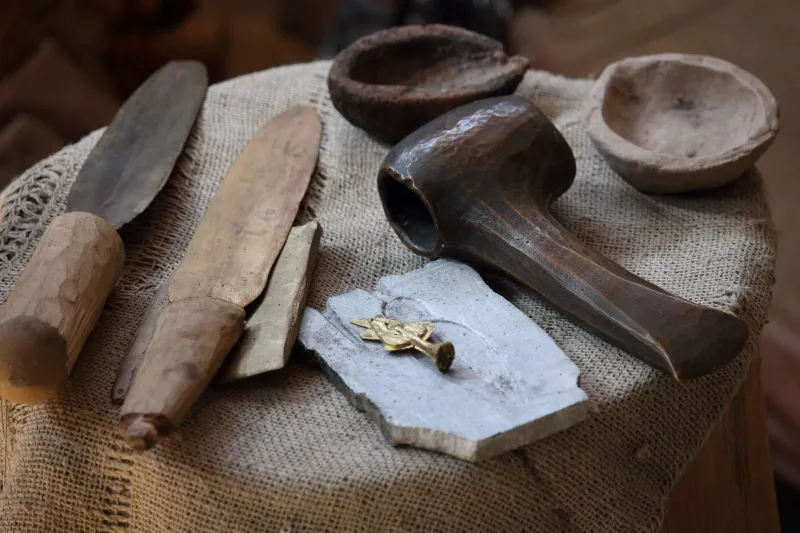

Innovations That Shaped Civilizations
Throughout history, many inventions have emerged from ancient civilizations, showcasing human ingenuity. However, several of these innovations were lost over time, leaving behind only fragments of their legacy. From the Antikythera mechanism, an ancient analog computer, to advanced agricultural techniques used by the Mesopotamians, these inventions highlight a level of sophistication often underestimated.
Examples of Lost Innovations
1. Antikythera Mechanism: This ancient Greek device, discovered in a shipwreck, functioned as an astronomical calculator. Its complexity suggests that ancient engineers possessed a remarkable understanding of celestial mechanics.
2. Roman Concrete: The Romans developed a form of concrete that has proven more durable than modern varieties. This material was essential in constructing lasting structures like the Pantheon, yet the exact formula remains elusive.
3. Greek Fire: A formidable weapon used by the Byzantine Empire, Greek fire was a flammable liquid that could burn on water. The formula was closely guarded and has never been fully replicated.
4. Hanging Gardens of Babylon: While the gardens themselves may not be a technological invention, the irrigation techniques utilized to sustain them are representative of advanced agricultural practices that have been lost to time.
5. Chinese Seismograph: Invented by Zhang Heng in 132 AD, this device could detect earthquakes from distant locations. Its design reveals an understanding of seismic activity that was remarkable for its time.
Understanding these lost inventions not only sheds light on the capabilities of ancient societies but also raises questions about how many other innovations have faded from memory. The pursuit of knowledge from the past can inspire future advancements, reminding us of the cyclical nature of invention and discovery.
Hungry for more?
Explore thousands of insights across all categories.
