
Impulse Buying Vs. Delayed Gratification: Understanding Financial Behavior
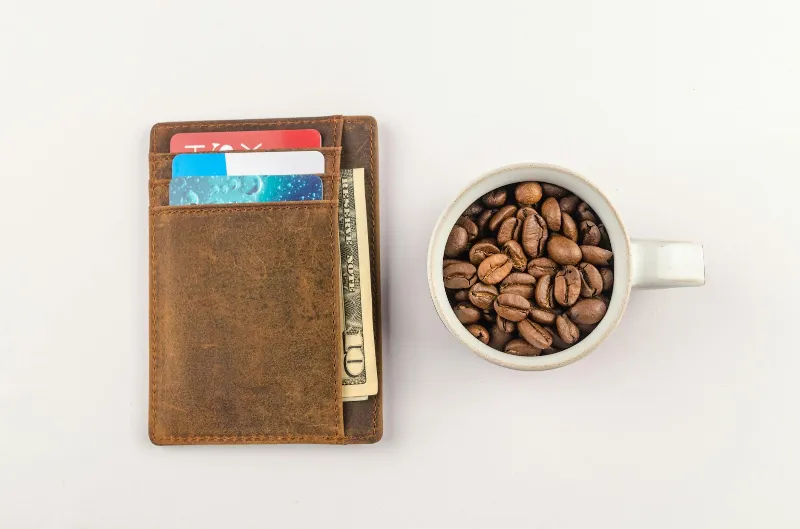

Everyday Choices and Financial Outcomes
In daily life, the decision to buy something immediately or wait for a better opportunity can significantly impact personal finances. When consumers are faced with a tempting purchase, they often experience a moment of tension between the desire for instant gratification and the benefits of waiting. This internal struggle can lead to impulse buying, a behavior characterized by spontaneous purchases without much thought about the consequences.
The Psychology Behind Spending
Impulse buying is often fueled by emotional triggers, such as stress or excitement, and can lead to buyer's remorse later on. In contrast, delayed gratification requires discipline, focusing on long-term goals rather than immediate pleasures. This psychological contrast plays a crucial role in shaping financial habits. For instance, someone who practices delayed gratification is likely to save for a significant purchase, while an impulse buyer may regret overspending shortly after making a hasty decision.
Balancing Impulse and Patience
Finding a balance between these two behaviors is essential for effective financial management. Individuals may benefit from strategies that promote mindful spending, such as budgeting or setting financial goals. By recognizing triggers that lead to impulse buys, one can develop healthier spending habits that prioritize long-term satisfaction over short-term indulgence. Understanding these dynamics not only fosters better financial decisions but also enhances overall well-being.
Ultimately, navigating between impulse buying and delayed gratification is a complex interplay of psychology and behavior, with significant implications for financial health. Awareness of these patterns can lead to more informed decision-making in personal finance.
Hungry for more?
Explore thousands of insights across all categories.
