
How AI is Revolutionizing Your Learning Journey?
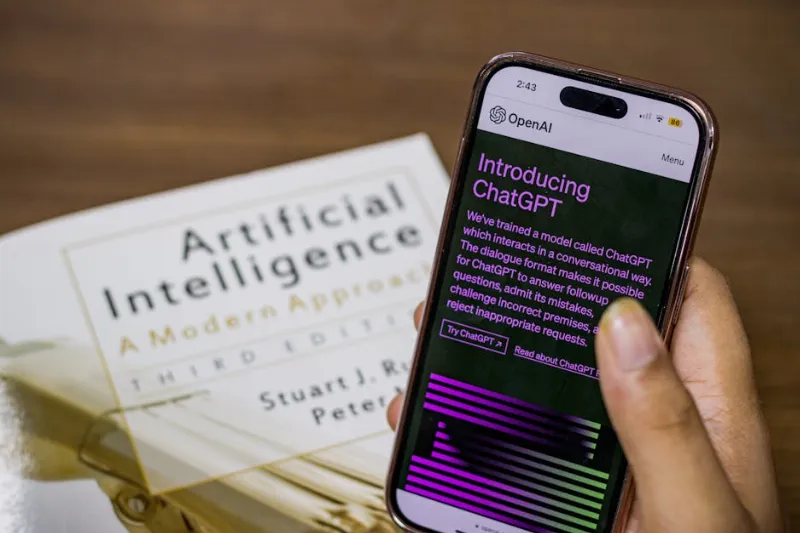

Imagine sitting in a classroom where every lesson feels tailor-made for you. That’s not a distant dream; it’s the potential of artificial intelligence in education. As technology continues to evolve, AI is reshaping how we grasp knowledge and tackle challenges.
AI can analyze your learning habits, preferences, and pace, crafting a personalized educational experience that meets you where you are. This transformation is not just about making learning easier; it’s about enhancing outcomes and engagement.
Personalization at Its Best
With the advent of AI, traditional one-size-fits-all education is becoming a relic of the past. Instead, think of a system that adapts to your unique needs. AI algorithms can assess your strengths and weaknesses, adapting the curriculum in real-time. For instance, platforms like Khan Academy utilize AI to provide personalized feedback, helping learners focus on areas that need improvement.
By leveraging data, these systems can suggest additional resources, practice exercises, and even alternative explanations that resonate with your learning style, making the experience not just more effective but also more enjoyable.
Enhancing Engagement Through Interactivity
AI doesn’t just personalize learning; it also makes it interactive. Virtual tutors and chatbots are now part of the educational landscape, providing instant feedback and support. Imagine asking a question at any hour and receiving a tailored response that clarifies your doubts instantly. This level of engagement keeps learners motivated and invested in their education.
Moreover, gamification driven by AI techniques can transform mundane subjects into exciting challenges. For example, platforms like Duolingo use AI to create language-learning experiences that feel like games, encouraging users to practice regularly while enjoying the process.
Bridging Gaps with Accessibility
Another significant impact of AI in education is its ability to make learning accessible to everyone. Students with disabilities, for instance, benefit from AI tools that cater to their specific needs. Speech recognition software and text-to-speech applications enable those with visual impairments to access information seamlessly.
According to a report by the World Health Organization, inclusive education is crucial for social development, and AI is a powerful ally in achieving this goal. By breaking down barriers, AI ensures that everyone has the opportunity to learn and thrive.
The Future: Lifelong Learning Powered by AI
As we look ahead, the role of AI in education is only set to expand. The concept of lifelong learning is becoming increasingly essential in our fast-paced world. AI can facilitate continuous education by tailoring professional development programs to individual career trajectories and skill requirements.
Imagine a future where your learning never stops, with AI guiding your journey through various stages of your life, ensuring you stay relevant in an ever-changing job market. The potential is limitless.
In conclusion, the integration of AI into the learning experience is creating a more personalized, engaging, and accessible education system. As technology advances, it’s crucial to embrace these changes and harness their power to enhance our learning outcomes.
Hungry for more?
Explore thousands of insights across all categories.
