
Genetic Anomalies Reshape Transhumanism Landscape
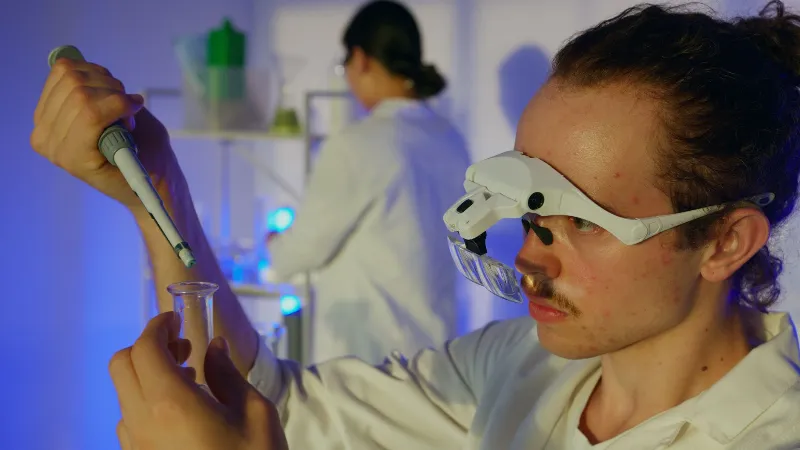

Genetic Anomalies as Catalysts for Change
Genetic anomalies have long fascinated scientists and ethicists alike, particularly within the framework of transhumanism. These irregularities, often viewed through the lens of traditional biology, are now being reconsidered as potential catalysts for human enhancement. With advancements in genetic editing technologies such as CRISPR, the boundaries of what constitutes normal human biology are being challenged, raising questions about identity, ethics, and the future of human evolution.
Implications for Society and Identity
The implications of genetic anomalies in the context of transhumanism extend beyond the individual, influencing societal norms and expectations. As genetic modifications become more accessible, debates surrounding what it means to be human are intensifying. These discussions often center on equity, access to technology, and the potential for creating a divided society based on genetic endowments. Understanding these dynamics is crucial as society grapples with the moral dimensions of altering human genetics.
Challenges to Traditional Notions of Health
Genetic anomalies can also disrupt conventional definitions of health and wellness. For instance, conditions once deemed detrimental to survival may now be seen as opportunities for enhancement. This shift could lead to redefining disability and ability, prompting a re-evaluation of medical ethics and public health policies. The line between treatment and enhancement blurs, challenging the medical community to adapt to these new realities.
A Future Shaped by Anomalies
As research progresses, the future of transhumanism will likely be shaped by both the scientific understanding of genetic anomalies and the cultural attitudes towards them. Embracing these anomalies could lead to innovations in medicine, technology, and even philosophy, fostering a society that values diversity in human experience. This evolving narrative invites reflection on how far humanity is willing to push the boundaries of its own biology.
Hungry for more?
Explore thousands of insights across all categories.
