
Genetic Anomalies Reshape Perspectives In Criminal Psychology
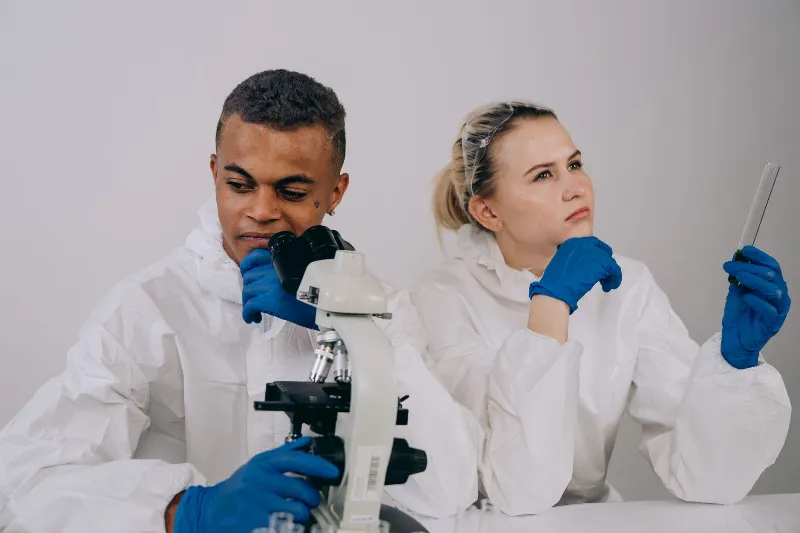

Unraveling the Genetic Connection
Genetic anomalies, often viewed through a narrow lens, play a significant role in shaping criminal psychology. Research indicates that variations in specific genes can correlate with aggressive behavior and impulsivity, which are often seen in criminal profiles. This perspective challenges the traditional notion that criminal behavior is solely a product of environment, upbringing, or psychological disorders.
Implications for Criminal Justice
Understanding the genetic underpinnings of criminal behavior could transform how law enforcement and the judicial system approach crime prevention and rehabilitation. If certain genetic traits predispose individuals to criminal acts, interventions could be tailored more effectively to address these predispositions. This shift could lead to more humane and scientifically grounded strategies in dealing with offenders.
Moreover, exploring genetic anomalies may enhance the accuracy of psychological assessments in criminal profiling. Current methodologies often rely heavily on behavioral observations and historical data, which can be limiting. Integrating genetic insights could lead to more comprehensive evaluations, potentially reducing recidivism rates and aiding in rehabilitation.
Ethical Considerations
While the intersection of genetics and criminal psychology offers intriguing insights, it also raises ethical questions. Determining the extent to which genetics should influence legal responsibility remains a contentious issue. Society must grapple with the implications of labeling individuals based on genetic predisposition, as this could lead to stigmatization or discrimination.
As research continues to evolve, the balance between understanding genetic factors and maintaining ethical standards will be crucial. These discussions are essential for ensuring that advancements in criminal psychology do not inadvertently harm those they aim to help.
In contemplating the role of genetic anomalies in criminal behavior, one must reflect on the broader implications for society. As science unveils more about the complex interplay between genetics and behavior, it paves the way for innovative approaches to criminal justice and mental health, urging a deeper examination of what it means to be human.
Hungry for more?
Explore thousands of insights across all categories.
