
Future Software Updates Redefine Cybersecurity Strategies
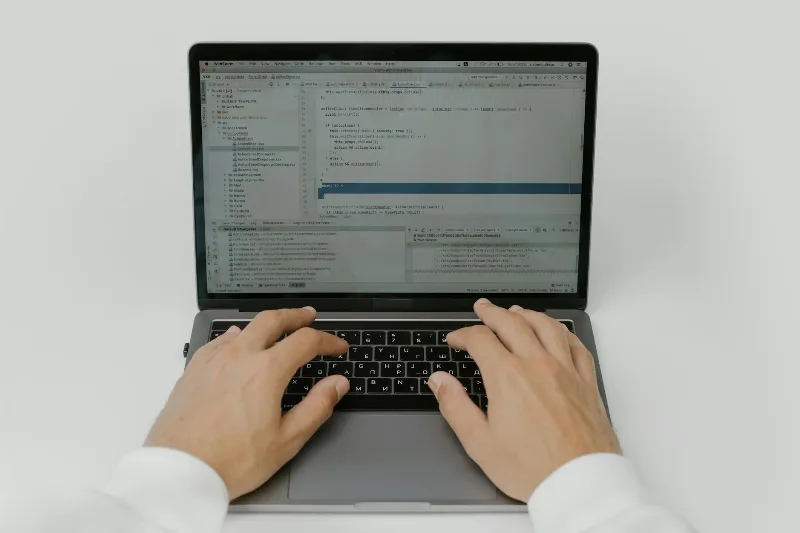

Shifting Paradigms in Software Updates
Software updates have long been seen as routine maintenance, but their role in cybersecurity has transformed dramatically. As cyber threats become more sophisticated, the need for robust, timely updates has never been greater. This evolution is not merely about fixing bugs or enhancing performance; it's about creating a resilient barrier against potential breaches.
Proactive Measures Against Cyber Threats
Future software updates are set to incorporate proactive security measures. Rather than waiting for vulnerabilities to be exploited, developers are now focusing on identifying and addressing potential weaknesses before they become issues. This shift means that updates may involve not just patches, but also enhancements designed to detect and neutralize threats in real time.
Moreover, the integration of artificial intelligence into software updates can facilitate smarter responses to emerging threats. AI can analyze patterns of behavior, detect anomalies, and automatically implement countermeasures, significantly reducing the window of opportunity for cybercriminals.
Real-time Update Mechanisms
Another significant change is the move towards real-time update mechanisms. Traditional updates, often scheduled and manually initiated, are giving way to continuous deployment processes. This approach allows for immediate responses to vulnerabilities as they are discovered, minimizing the risk of exploitation and enhancing overall security posture.
With this shift, users may find themselves automatically receiving updates without even being aware of it, ensuring their systems are always protected against the latest threats. However, this also raises questions about user control and the importance of transparency in the update process.
Challenges and Considerations
While the future looks promising, challenges remain. Ensuring compatibility across various devices and platforms is critical. Additionally, there is a need for clear communication from software providers about the nature of updates and the specific threats they address. Users must feel confident in the processes that protect their data.
As software updates continue to evolve, the balance between security and user experience will be crucial. Looking ahead, organizations will need to adapt their cybersecurity strategies to align with these advancements, ensuring that they are prepared for the challenges of tomorrow.
Hungry for more?
Explore thousands of insights across all categories.
