
Future smartphones will redefine data privacy standards
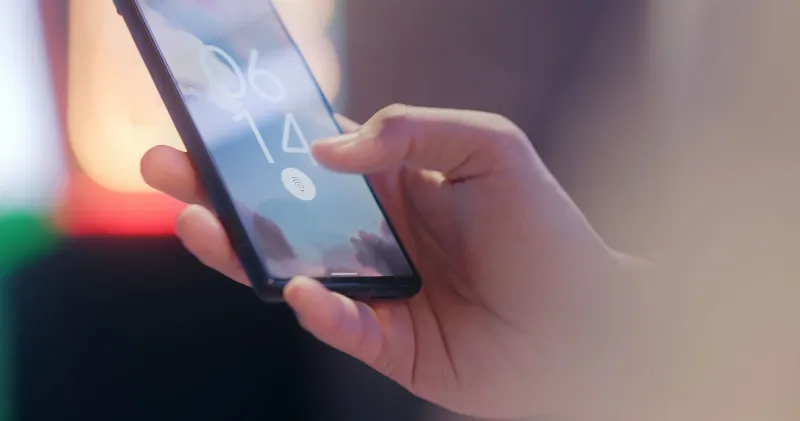

Enhanced biometric security
Future smartphones are expected to place a strong emphasis on biometric security, going beyond traditional fingerprint sensors and facial recognition. Innovations may include advanced retina scanning and even voice recognition that adapts to changes in the user's voice over time. These features aim to create a more secure user experience by ensuring that only authorized individuals can access sensitive data.
On-device data processing
Privacy concerns have driven a shift towards on-device data processing. By minimizing the amount of personal data sent to cloud servers, smartphones can perform tasks without compromising user information. This approach not only enhances privacy but also improves performance, as users can execute complex tasks locally, reducing reliance on network speed and connectivity.
Advanced data encryption
Encryption is set to become more sophisticated in future smartphones, with end-to-end encryption becoming a default feature for all communication apps. This means that messages, calls, and video chats will be secure from interception, making it nearly impossible for unauthorized parties to access the content. Such advancements will reassure users that their communications remain private.
Integrated privacy controls
Future smartphones may integrate privacy controls directly into the operating system, allowing users to manage their data with unprecedented ease. Features such as granular permissions for apps, automatic data deletion after use, and comprehensive tracking of data access will empower users to take control of their personal information. This shift towards user-centric privacy features will likely influence how consumers perceive and interact with technology.
Hungry for more?
Explore thousands of insights across all categories.
