
Future smartphones prioritize cybersecurity features that will transform daily life
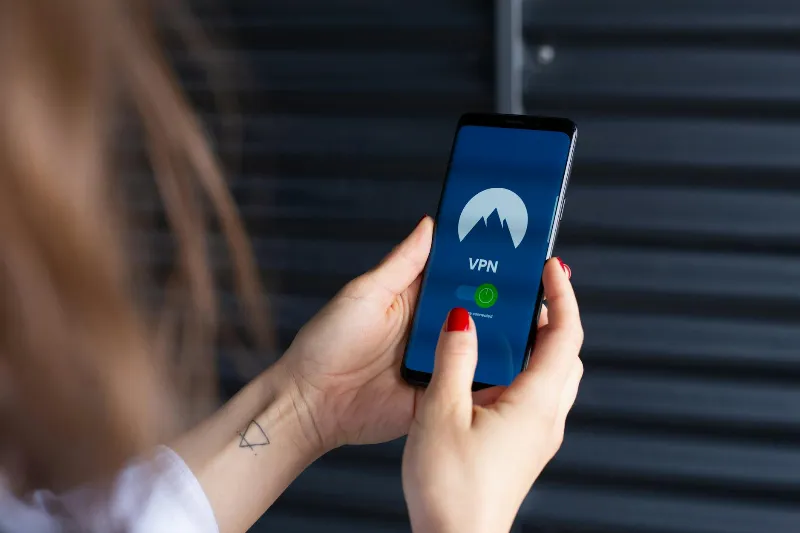

Rising cybersecurity concerns drive smartphone innovations
In an age where data breaches and privacy violations frequently make headlines, smartphone manufacturers are increasingly prioritizing cybersecurity. The next generation of devices will likely incorporate advanced security features that go beyond traditional methods, responding to a growing demand for enhanced protection against cyber threats.
Potential features reshaping smartphone security
Future smartphones may include several innovative features aimed at improving cybersecurity:
- Biometric advancements: Expect to see more sophisticated biometric security measures, such as advanced facial recognition and fingerprint scanning that utilize AI to adapt to users' behaviors.
- End-to-end encryption: Communication apps will likely adopt stronger encryption protocols, ensuring messages and calls remain private from prying eyes.
- Decentralized data storage: Rather than relying on centralized servers, future devices might enable decentralized storage solutions, giving users more control over their personal data.
These features not only enhance security but also shift the way users interact with their devices, fostering a more secure digital environment.
How these changes impact daily life
The integration of advanced cybersecurity features into smartphones will significantly influence everyday interactions. With heightened security, individuals will feel more confident sharing sensitive information, whether in personal or professional contexts. This shift could enhance trust in digital transactions, making people more willing to engage in online activities such as banking or shopping.
Furthermore, as users become increasingly aware of their digital footprints, the demand for transparency in how data is handled will rise. Manufacturers will need to communicate clearly about security features, fostering a culture of informed users who prioritize privacy.
As smartphones continue to evolve, the emphasis on cybersecurity will not only protect users but also redefine digital engagement in daily life. This transformation underscores the importance of maintaining security in an interconnected world.
Hungry for more?
Explore thousands of insights across all categories.
