
Future Smartphones: How Cybersecurity Integration Will Transform Daily Life
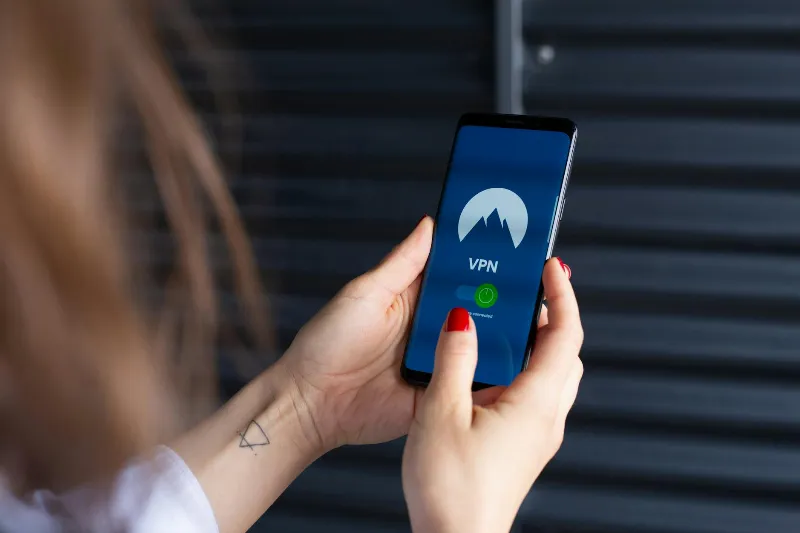

Smartphones and Evolving Cybersecurity
Smartphones have become an integral part of our lives, serving as tools for communication, banking, and managing personal tasks. With the rise of cyber threats, integrating robust cybersecurity measures into smartphones is becoming essential. This integration will not only protect users but also redefine how we interact with technology.
Biometric Authentication and Beyond
One of the most significant features emerging in future smartphones is enhanced biometric authentication. While fingerprint and facial recognition technology are already in use, advancements will lead to even more sophisticated methods, such as iris scanning and behavioral biometrics. These improvements will create a more secure environment, making unauthorized access increasingly difficult.
Additionally, with the rise of artificial intelligence, smartphones will incorporate adaptive learning algorithms that can detect unusual patterns in user behavior, further enhancing security protocols. This proactive approach will help prevent breaches before they occur.
Real-Time Threat Detection
Future smartphones will also feature real-time threat detection capabilities. By continuously monitoring network traffic and app behavior, these devices can identify potential security risks quickly. This feature will alert users to suspicious activities, allowing them to take action before a breach occurs.
Moreover, with the integration of cloud-based security solutions, smartphones will benefit from automatic updates to their security protocols, ensuring users are always protected against the latest threats. This evolution will instill a greater sense of trust in mobile devices.
Implications for Daily Life
The implications of these advancements are profound. As smartphones become increasingly secure, users will feel more comfortable conducting sensitive transactions, sharing personal information, or communicating confidentially. This shift will foster greater reliance on mobile technology for a wide range of activities, from online banking to telehealth consultations.
Furthermore, as digital security becomes a priority, companies may need to invest more in cybersecurity measures, affecting how they develop applications and services for mobile platforms. The landscape of mobile usage will continue to evolve as these security features become standard.
In summary, the integration of advanced cybersecurity features in future smartphones will not only enhance personal security but also fundamentally change our interactions with technology. As these innovations roll out, users can expect a more secure, efficient, and trustworthy mobile experience.
Hungry for more?
Explore thousands of insights across all categories.
