
Fear of Missing Out Shapes Spending Habits and Risk Perception
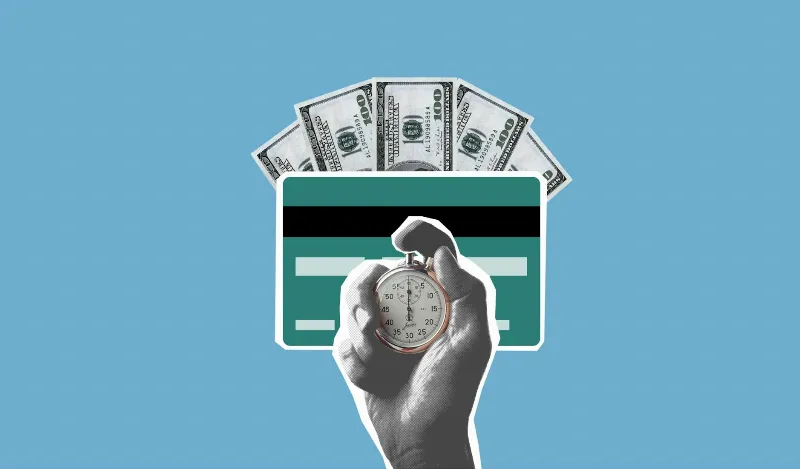

Every day, countless individuals face the pressure to spend money quickly, often fueled by the fear of missing out (FOMO). This phenomenon can lead to impulsive purchases and a distorted sense of financial priorities. Whether it's the latest gadget, a trending investment, or an exclusive event, the urgency created by FOMO can cloud judgment and drive financial behavior in unexpected ways.
Understanding FOMO in Financial Context
FOMO is deeply rooted in human psychology, where the desire to belong and be part of experiences often overrides rational decision-making. In financial contexts, this can manifest as a compulsion to spend or invest in opportunities that seem limited. The digital age exacerbates this tendency, as social media showcases others' lifestyles and spending habits, making individuals feel as if they are falling behind.
Impact on Spending Behavior
When individuals experience FOMO, their spending behavior can shift dramatically. They may prioritize short-term gratification over long-term financial stability. This often leads to overspending or engaging in risky financial behaviors, such as investing in volatile assets without sufficient research. The psychological pressure to keep up with peers can push individuals to make purchases that aren’t aligned with their financial goals or needs.
Moreover, FOMO can create a cycle of anxiety where individuals continuously feel the need to spend to avoid feeling left out. This cycle can erode savings and increase debt, impacting overall financial health.
Managing FOMO and Risk Perception
Recognizing the influence of FOMO is the first step toward managing its effects on financial decisions. By cultivating awareness of one's spending triggers, individuals can develop a more mindful approach to their finances. Setting clear financial goals and adhering to a budget can serve as a buffer against impulsive decisions driven by FOMO.
Additionally, understanding risk perception is crucial. When FOMO drives financial choices, individuals may underestimate the potential risks involved in their decisions. A balanced perspective that weighs both opportunity and risk can lead to more informed and sustainable financial behaviors.
Ultimately, while FOMO is a powerful motivator, being aware of its implications allows individuals to navigate their financial lives with greater confidence and clarity.
Hungry for more?
Explore thousands of insights across all categories.
