
Factors That Sparked Interest in Petra's Lost City Exploration
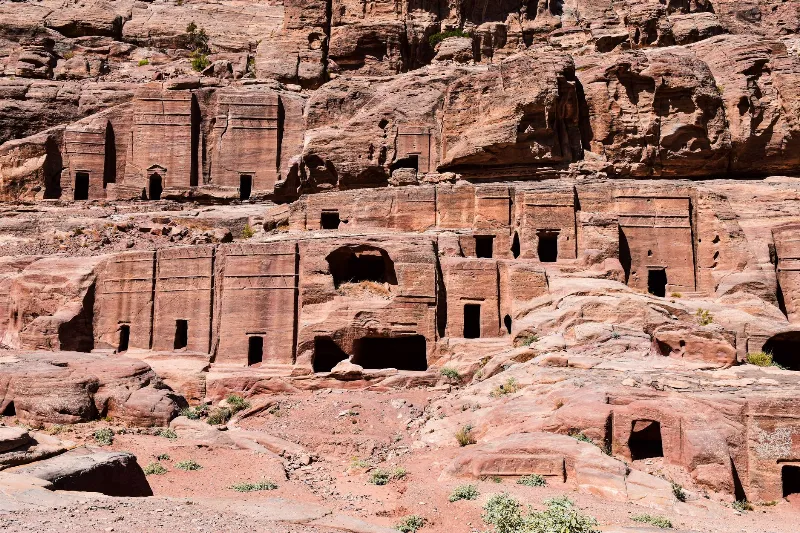

In the early 19th century, whispers of a hidden city nestled between the craggy mountains of Jordan began to circulate among European explorers and scholars. This city, known as Petra, was shrouded in mystery, its existence almost forgotten to the outside world. As rumors spread, a wave of curiosity swept through Europe, igniting a fervor for exploration that would change the understanding of ancient civilizations.
Curiosity and Adventure
At the heart of the exploration of Petra was a deep-seated curiosity about the East. European powers were increasingly drawn to the region, motivated by both trade prospects and the allure of ancient cultures. The Romantic movement further fueled this interest, romanticizing the idea of lost civilizations and the adventures that accompanied their rediscovery. Explorers like Johann Ludwig Burckhardt ventured into the rugged terrain, driven not just by the promise of riches, but by a desire to uncover the stories of the past.
Advancements in Archaeology
As the 19th century progressed, advancements in archaeology and cartography played a crucial role in facilitating the exploration of Petra. The introduction of more reliable mapping techniques allowed explorers to navigate the challenging landscapes more effectively. This period also saw the rise of archaeological societies, which provided funding and support for expeditions aimed at uncovering historical sites. These efforts were not just about finding treasures; they were about piecing together the narrative of humanity.
Petra's Architectural Marvels
Upon reaching Petra, explorers were met with breathtaking rock-cut architecture that spoke volumes about the Nabatean civilization. Structures like the Treasury and the Monastery showcased sophisticated engineering and artistry. The sheer scale and beauty of these monuments not only captivated the explorers but also sparked a broader interest in ancient engineering and architecture. Articles and illustrations published in European journals soon transformed Petra from a local curiosity to an icon of ancient ingenuity.
This growing fascination with Petra prompted further expeditions, each building upon the discoveries of the last. As more was uncovered, the lost city emerged as a significant archaeological site, prompting scholarly debates and artistic interpretations that would endure for generations. The explorations of Petra became more than just a search for a lost city; they were part of a larger narrative about humanity's quest for knowledge and understanding.
In the quiet aftermath of discovery, Petra stood as a testament to the resilience of ancient cultures, inspiring future generations of archaeologists and historians to delve deeper into the mysteries of the past.
Hungry for more?
Explore thousands of insights across all categories.
